
Transaera

Transaera

Engineering cool – sustainable AC design.

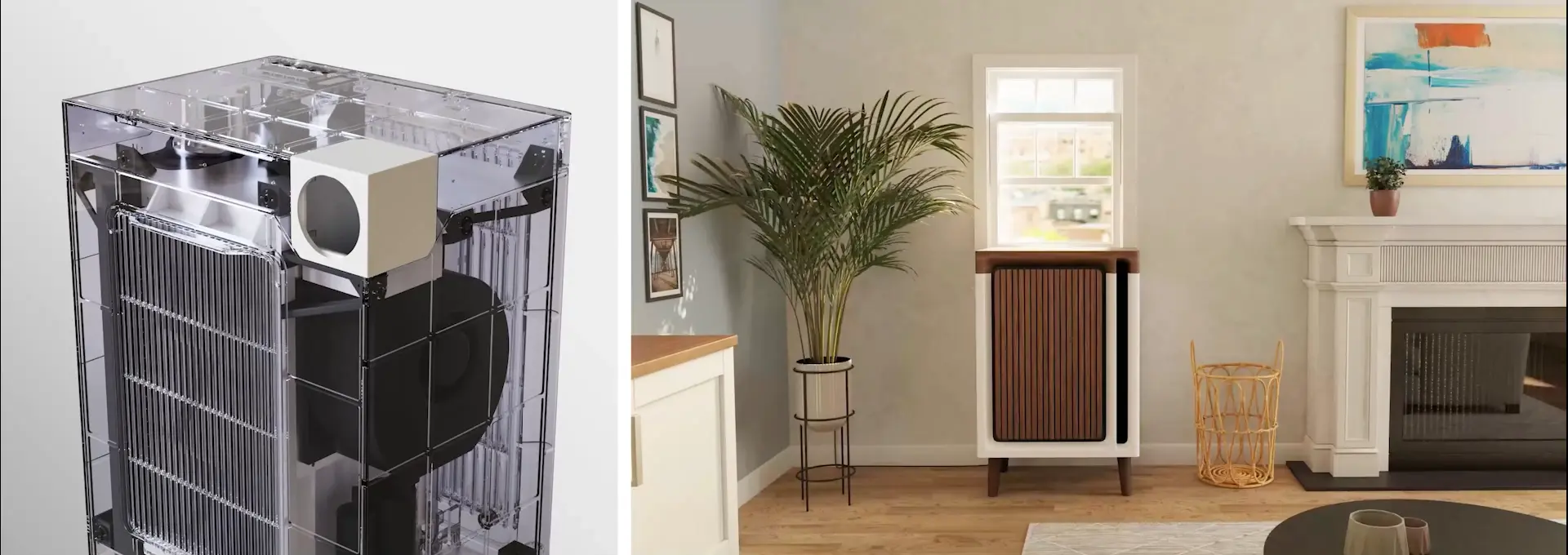
Transaera room

Overview

Giving groundbreaking cooling technology a form worthy of its innovation.

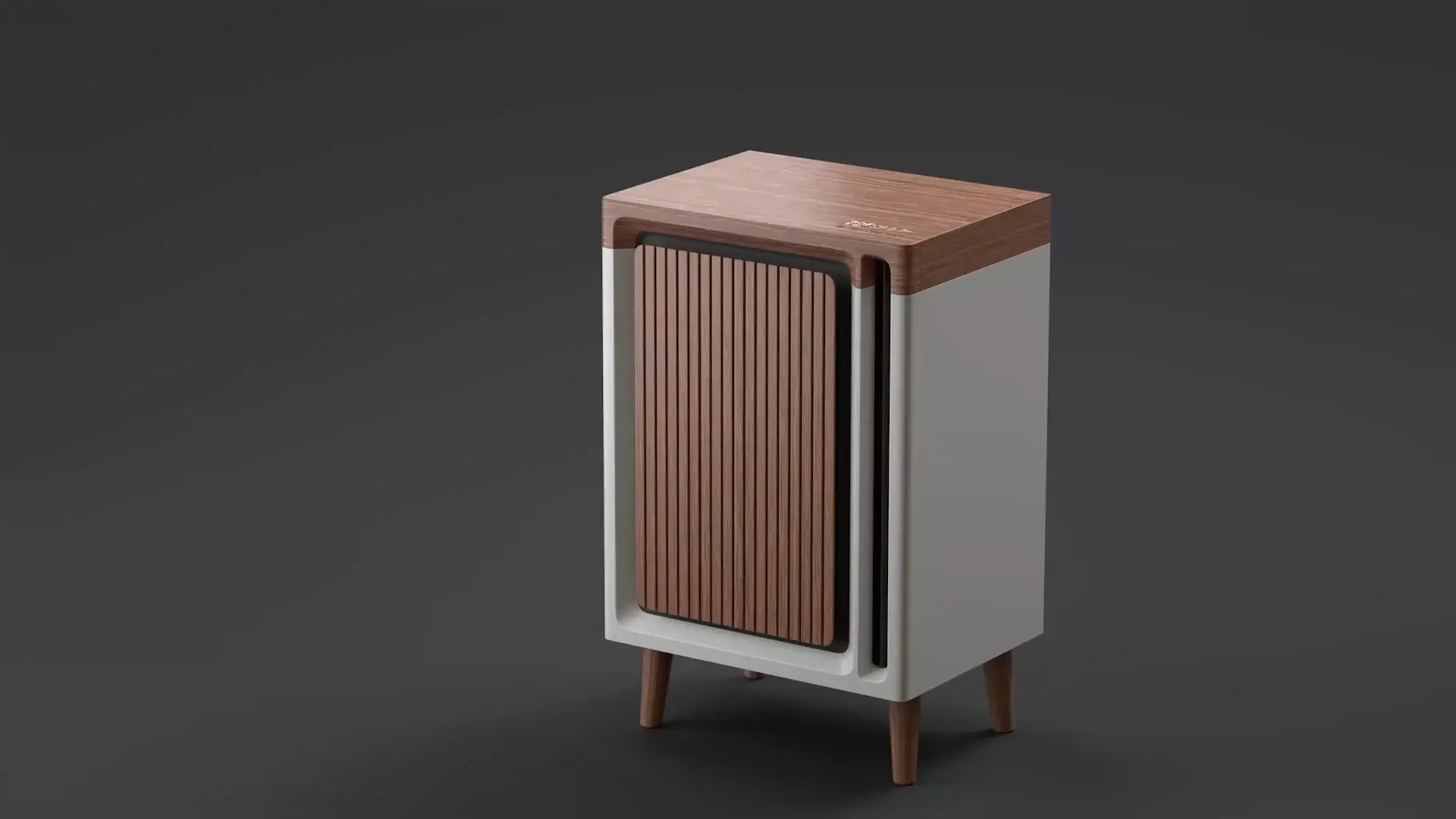
Transaera set out to turn its breakthrough cooling technology into an appealing, home-friendly portable AC unit that homeowners would proudly showcase, rather than hide. Their technology removes moisture from the air before cooling it, then reuses the AC's own heat to dry the material for the next cycle, cutting energy use and emissions.

Client

Transaera

Services

Industrial Design
,
3D Visualization
,
Design Innovation
,
Product Development
,
In-House Prototyping
,

Industry

HVAC Equipment
,
Sustainable Technology
,
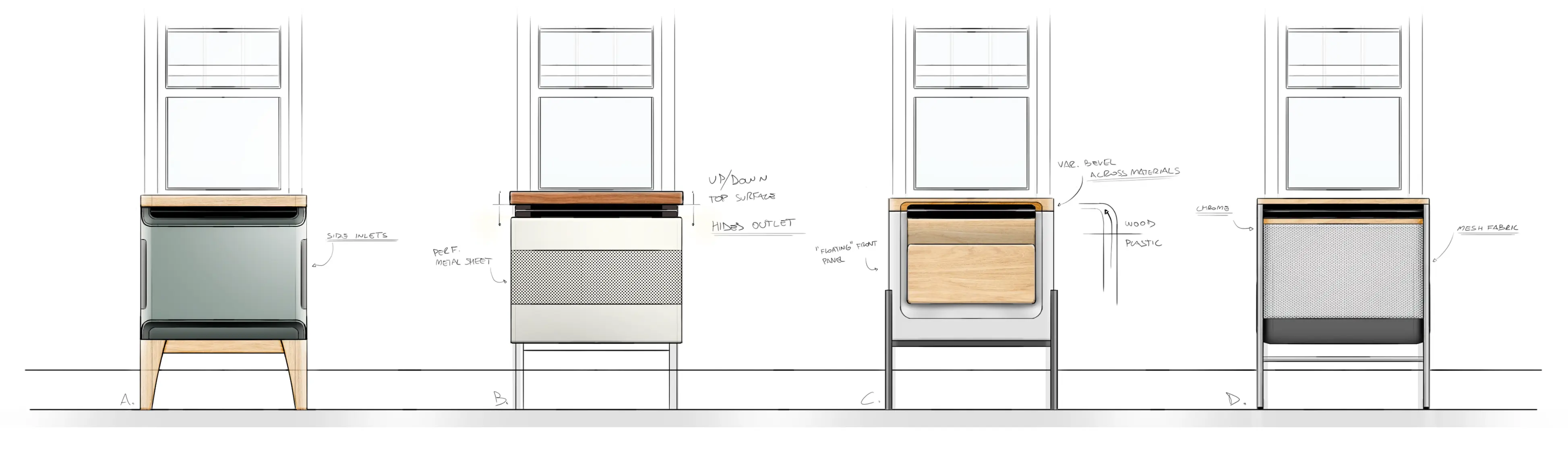
Four side-by-side design sketches of a modern rectangular radiator or heater under a window, showing different materials and panel configurations including wood, metal, plastic, mesh fabric, and perforated metal sheet, with annotations for design features like side inlets, hidden outlet, floating front panel, and bevels across materials.

“Before we even started working together, they sat down with us, saw how we worked, listened, and really understood what we needed. It was incredibly valuable. We developed a close working relationship with their design and engineering team. It was a true collaboration from beginning to end.”

Man with dark hair and beard wearing a black t-shirt, standing with arms crossed in front of a vertical striped gray wall.

Sorin Grama

CEO & Co-Founder, Transaera

Advanced materials unlock new possibilities in air conditioning

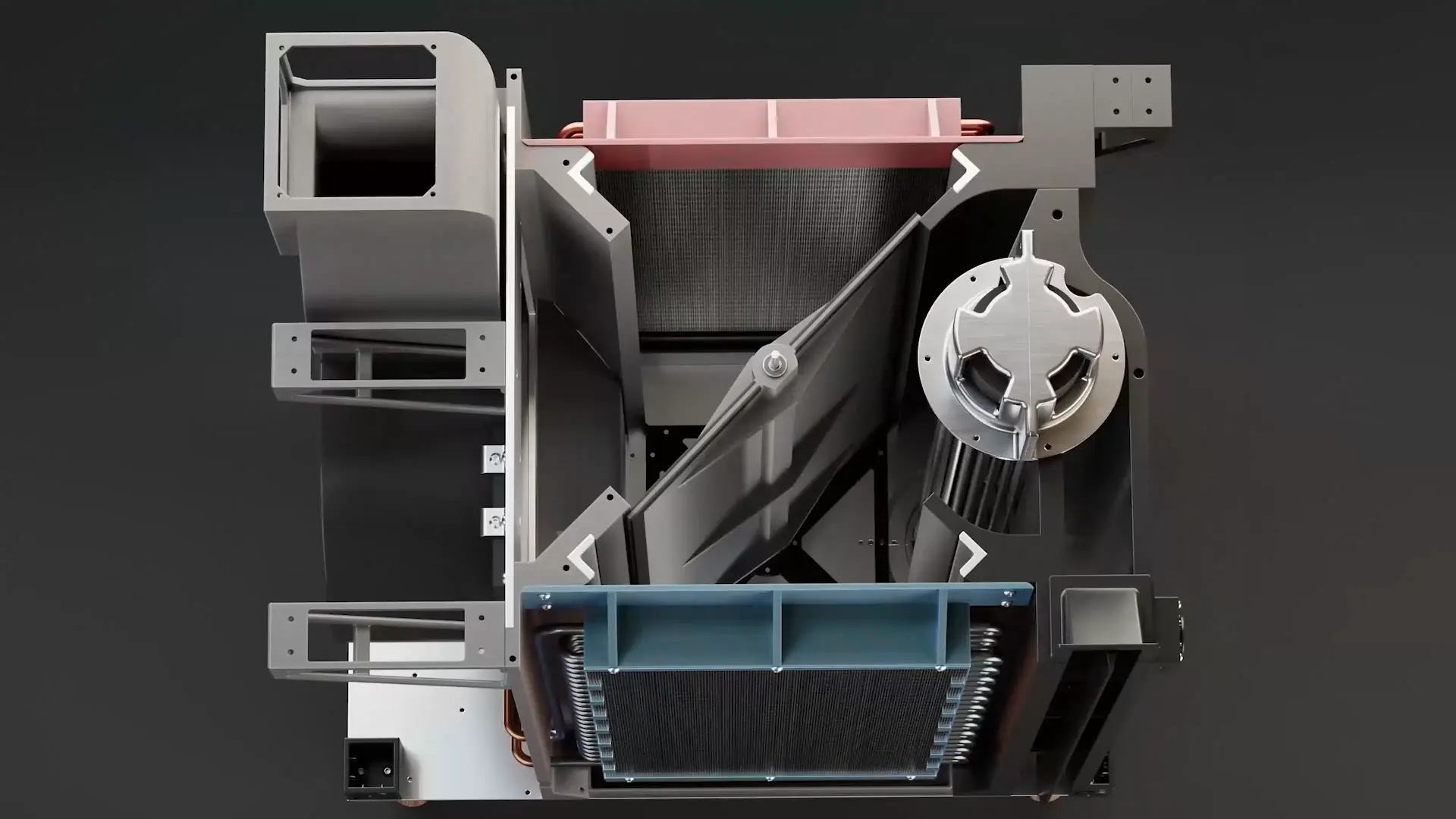
Material properties, such as high moisture removal capacity, enable high performance dehumidification without generating water condensation. And low temperature regeneration allows the use of waste heat to dry the material, resulting in novel AC designs that can be cost effective AND highly efficient.

Transaera’s proprietary material formulations and heat exchangers can be designed into any air conditioning system — from the smallest automotive systems to the largest commercial roof-top systems — to deliver unprecedented comfort and savings.
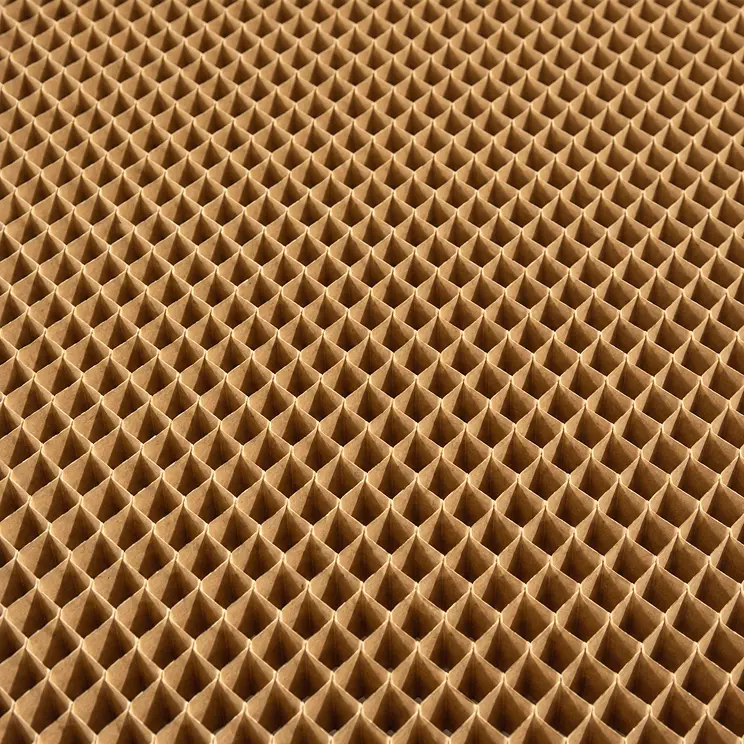
Close-up view of a honeycomb structure made of brown cardboard or paper, showing a repeating pattern of hexagonal cells.

Our Process

Working with Transaera's engineering team, we designed a new product identity for their air conditioning technology, reimagining how an appliance this innovative should look, feel, and fit into everyday spaces.

Reimagining a
household product

Inspired by Transaera’s brand, Fresco transformed the typical portable AC — often clad in white plastic with obstructive window hoses — into a harmonious blend of technology, functionality, and home décor. Our rapid concept exploration focused on materials, aesthetics, and designing for common window sizes and styles.

Technical sketches and renderings of a compact, rectangular air ventilation or filtration unit designed to fit under a window sill, showing dimensions, window size compatibility, and a folded front panel with a light wood finish on top.

Engineering innovation

Fresco’s design and engineering team collaborated with Transaera’s engineering team closely on this effort. Together, we optimized design for manufacturing and ease of assembly, while fulfilling requirements for innovative air chambers with moving parts, stringent air sealing, and vibration isolation.

Close-up of a wood-finished electronic device corner with a digital display showing temperature and buttons for controlling fan speed, mode, and power.

Looks-like, works-like prototype

Our prototyping process was both efficient and effective, resulting in a prototype that not only looked like the final product, but also functioned as intended for testing, engineering refinement, and stakeholder presentations.

We explored assembly techniques and heat/moisture-resistant materials to ensure cost efficiency. To achieve a wood-like finish, we utilized hydro-dipping methods.
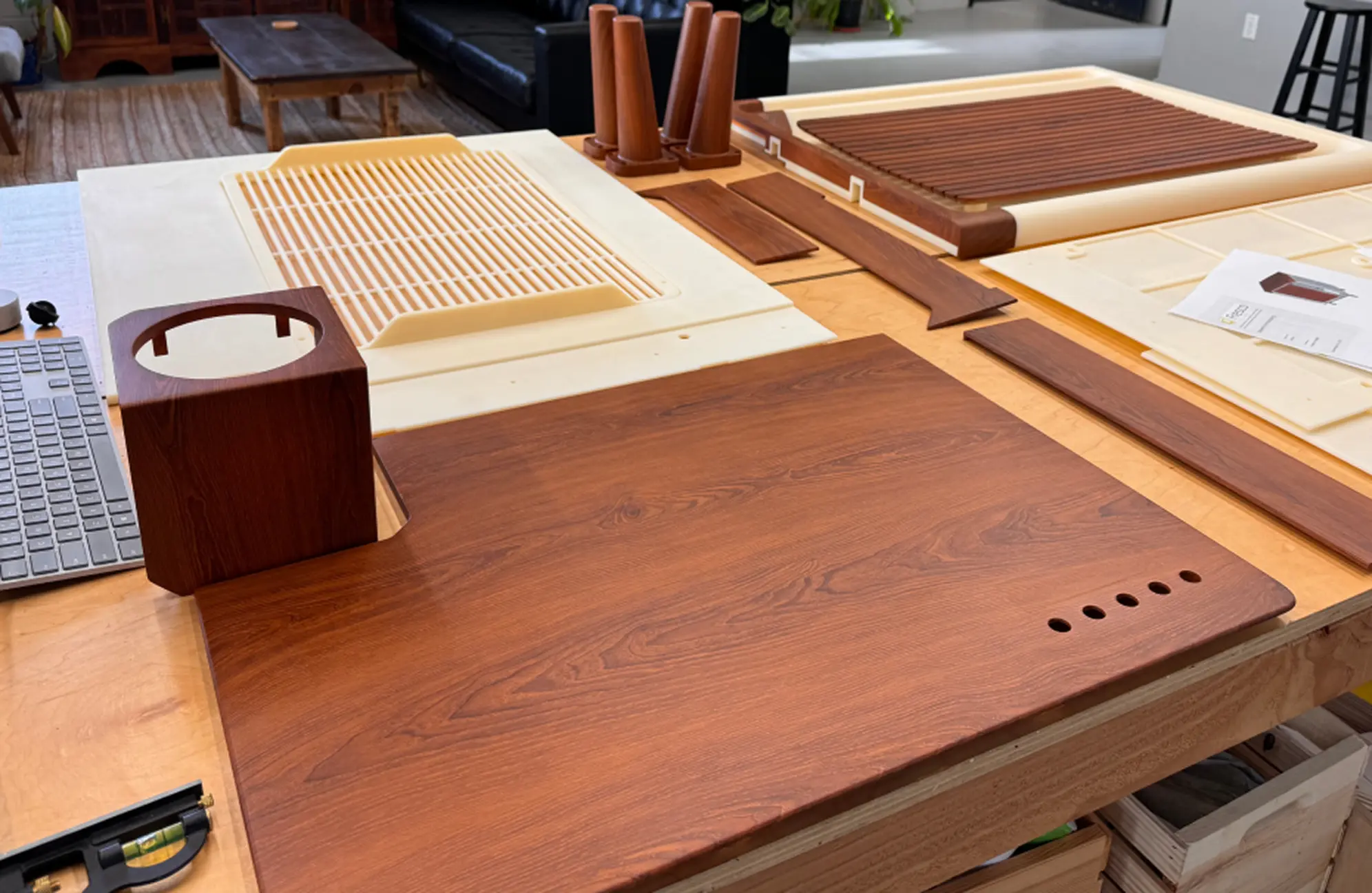
Various wooden pieces and components arranged on a workshop table, including a large flat panel with six round holes, a cube-shaped part with a circular cutout on top, and several wooden slats and rods, with a keyboard visible on the left side.

Proving a path to manufacturing

Beyond creating a visually and functionally accurate prototype, Fresco’s goal was to prove a clear path to production for Transaera. This was essential to validate manufacturability, forecast costs, and generate excitement and investment, pushing Transaera's product into its next phase of development.
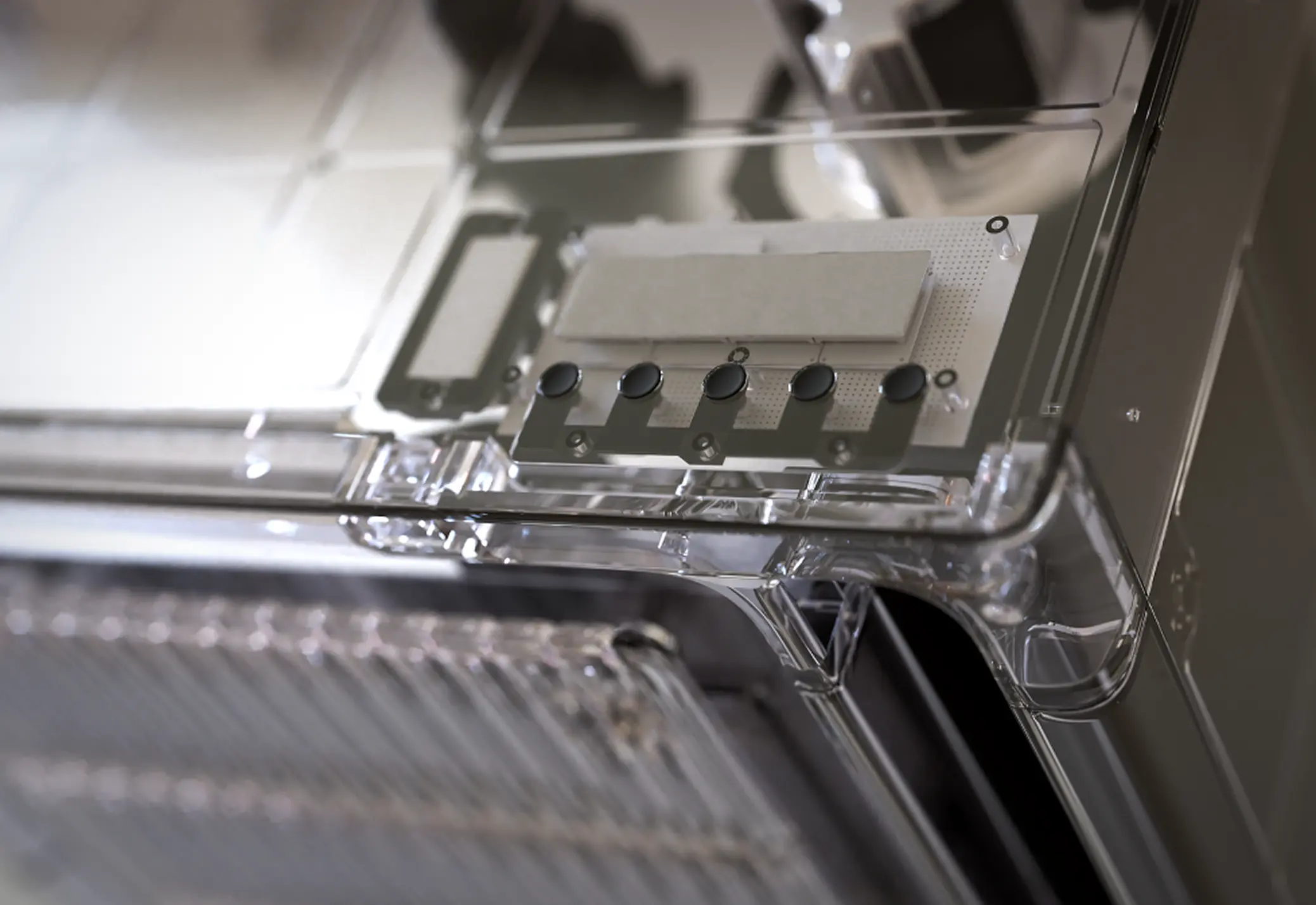
Close-up of a transparent casing containing a circuit board with five black circular components and a rectangular white chip.

Concepts in context
with 3D viz

To better understand how the designs would fit into various home settings, we created 3D apartment environments for in-context product visualization. These virtual photographs helped facilitate user research, gathering feedback on CMF (color, material, and finish) options, product orientation, and features.
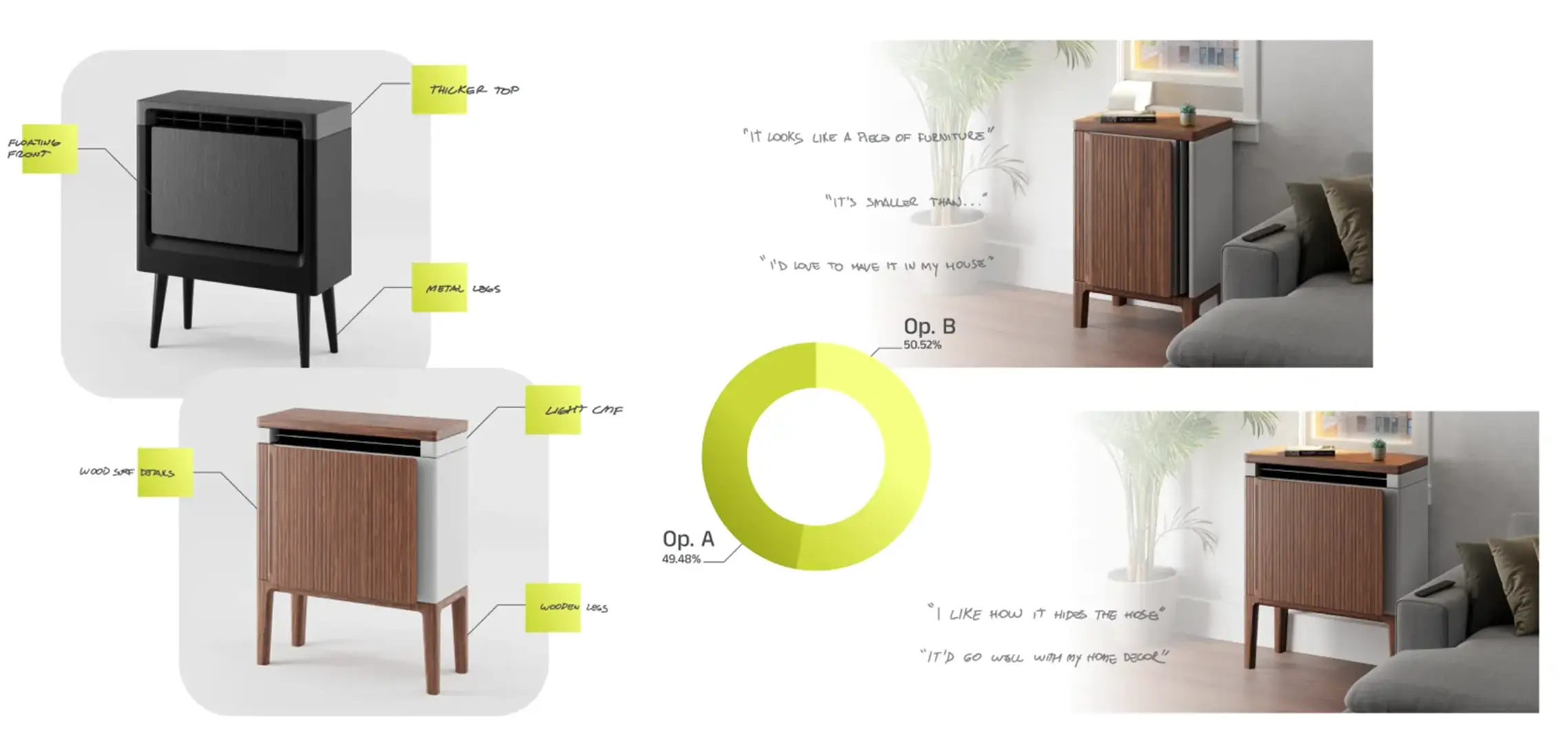
Side-by-side comparison of two furniture-like product designs: one in black with metal legs and floating front, the other with wood surface details and wooden legs in light color. The image includes a pie chart showing nearly equal preference with Option B at 50.52% and Option A at 49.48%. User comments near Option B mention it looks like furniture, is smaller, and is desirable to have at home. Comments near Option A mention liking how it hides the hose and fitting well with home decor.

Technology at scale

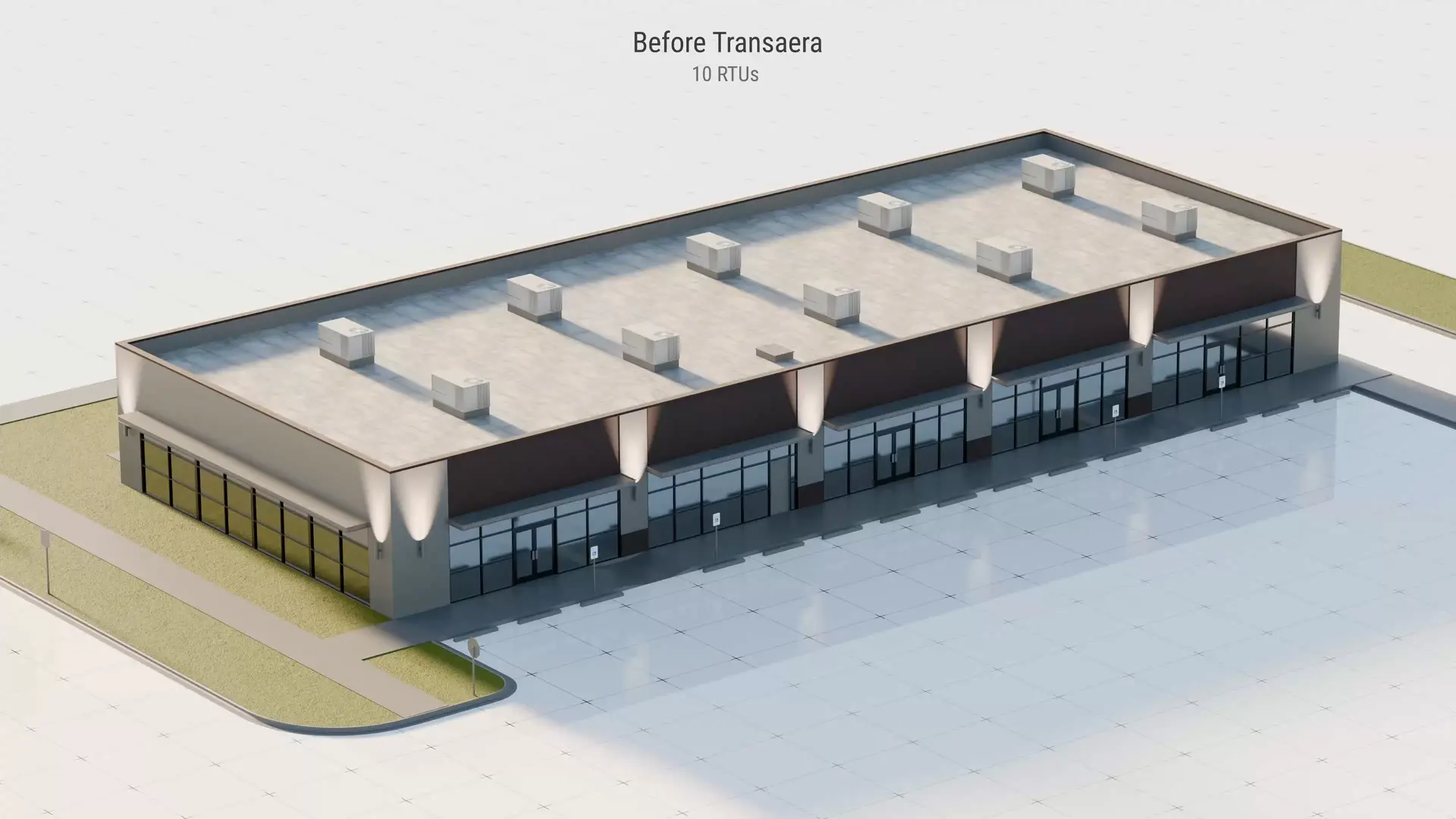
To support Transaera’s successful expansion into the commercial space, we showcased how Transaera's technology performs and scales across commercial settings, from single units to full building deployments.