

Body-first design keeps humans at the center.
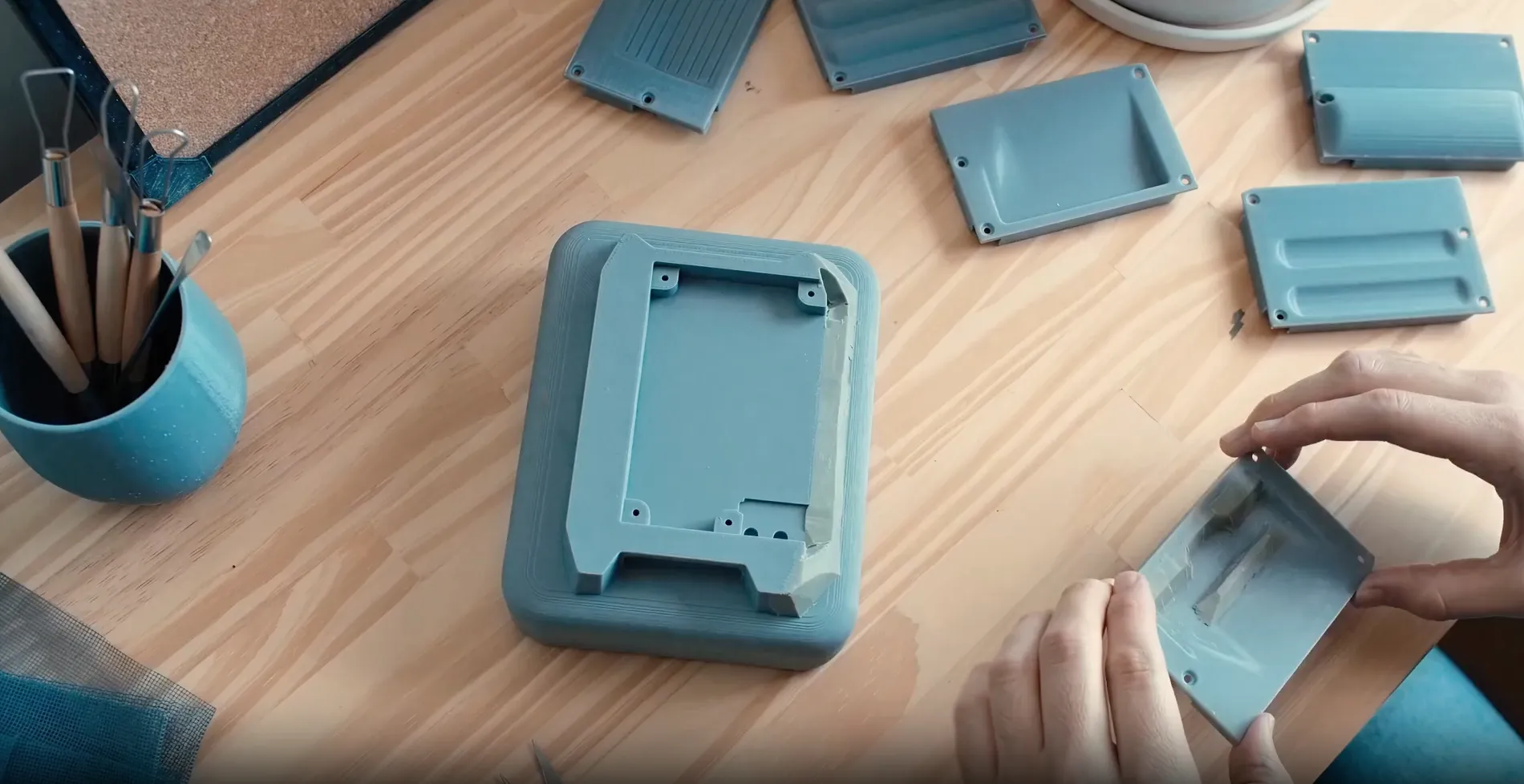
Most teams use human data to validate a design after it's built. We use it to build the design in the first place. Every size, dimension, grip, reach and force decision begins with how real bodies respond.

If it doesn’t fit or feel right, it’s a fail.
When the human relationship with a product isn't considered from the start, it becomes obvious in the end experience. For medical devices in particular, the stakes are exceptionally high. Failed human factors testing means lost time, repeated testing cycles, and delayed routes to market. That's why we've built a user-centered design process that ensures all users, not just the average able-bodied person, are considered.
Body-first design reduces:
Body-first design produces measurably better outcomes for the people who use the products.
When fit, comfort, and usability directly affect safety and clinical outcomes, it becomes essential. This approach is central to passing human factors testing, satisfying regulatory requirements, and building products that earn the trust of the people who depend on them.
Ergonomic design experience meets anthropometric expertise
We design for every body, using real human data to represent the people a product is made for. That data shapes our work from early concepts through prototyping and testing.
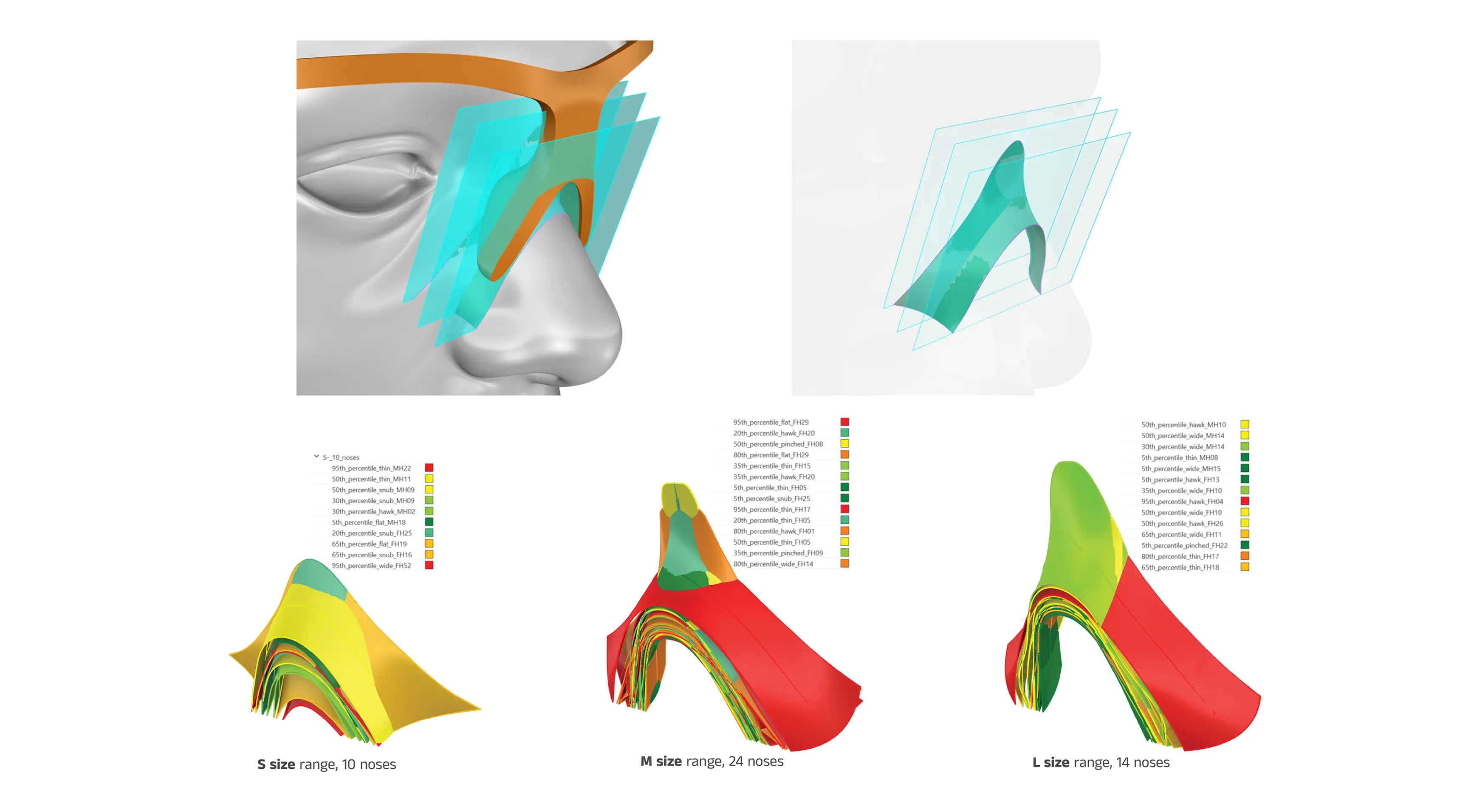



Putting 3D human data to work alongside physical product design.
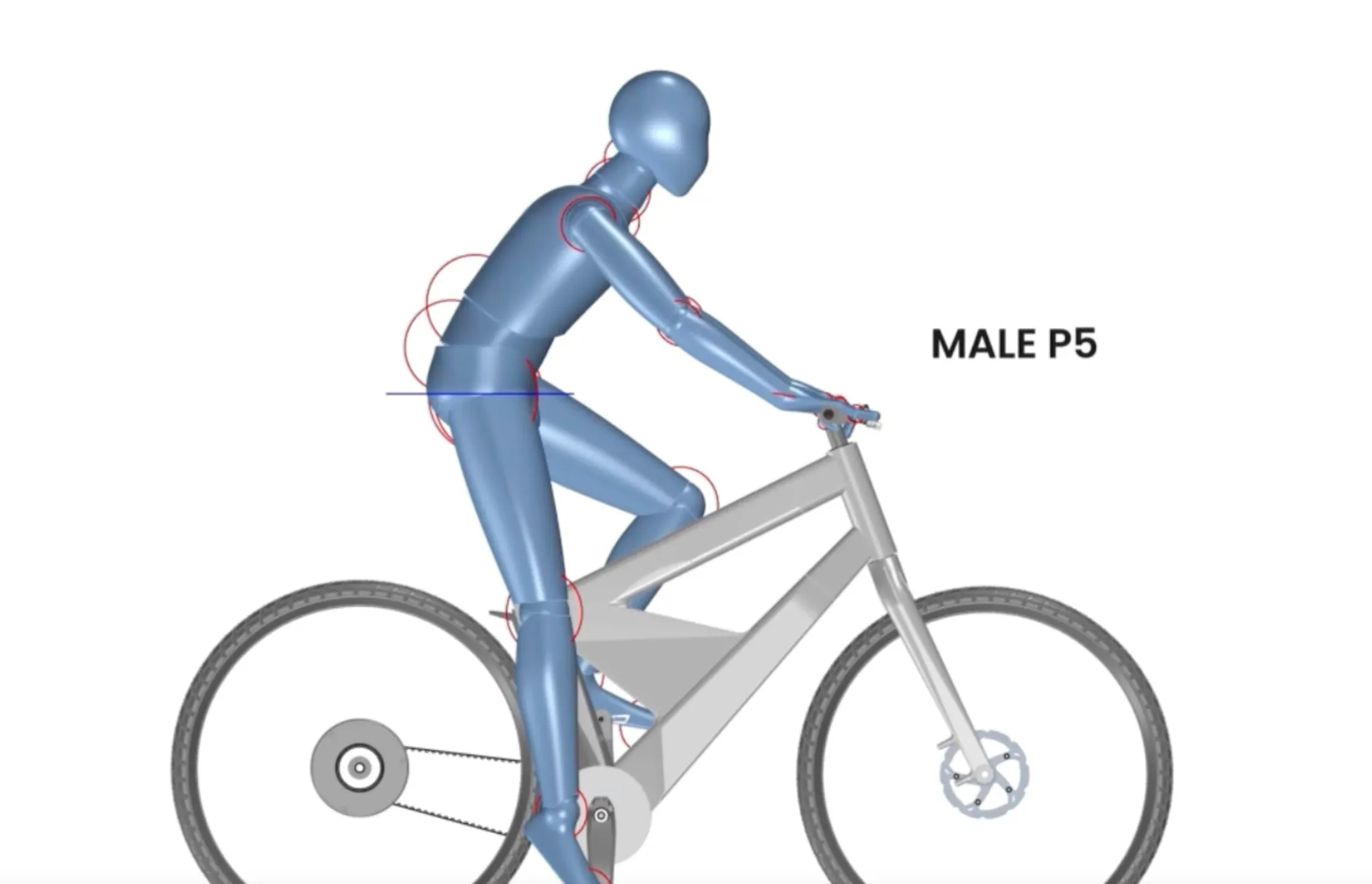
We’ve developed a fully parametric 3D human library based on multiple datasets that embody the full range of human percentiles. This empowers our designers and engineers to create holistic solutions that make all the difference when it comes to fit, comfort, usability, and safety.
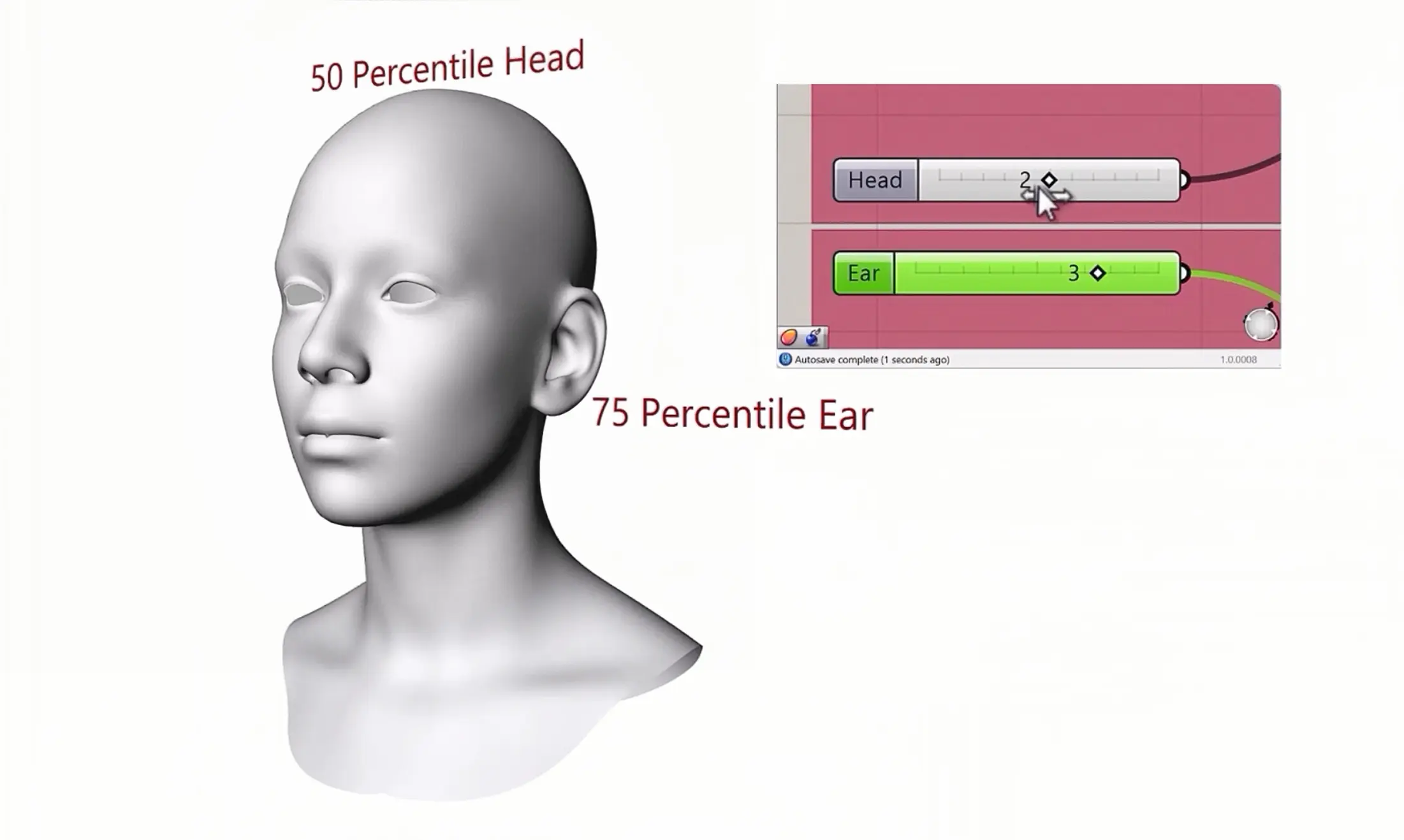
Head Fit

Comfort
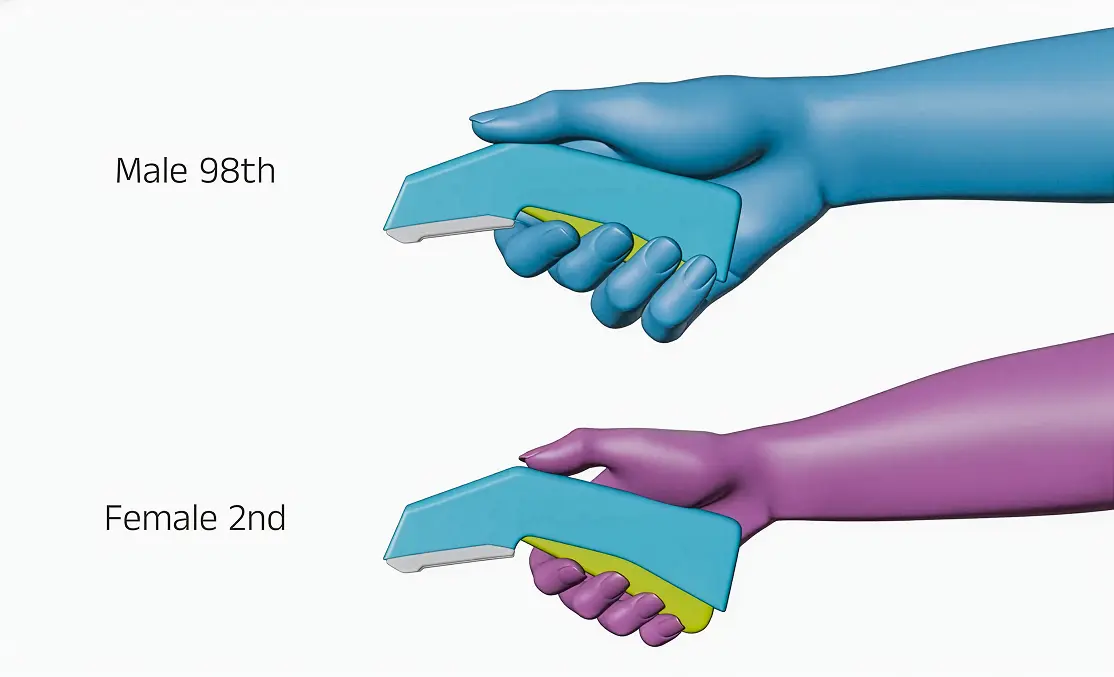
Hands & Grip

In-Ear
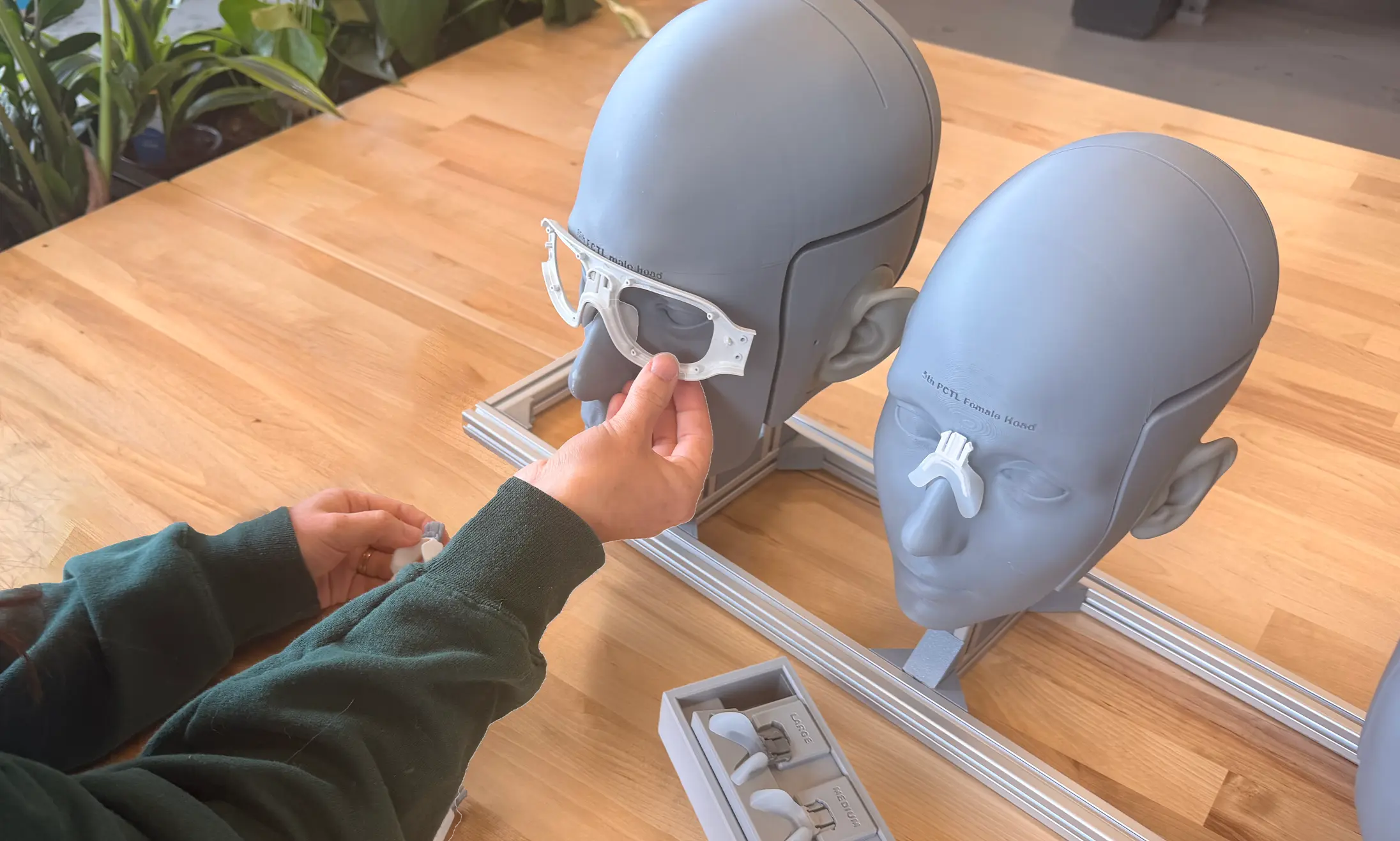
Nose pads

All sizes

Full body
Regulation
From everyday products to essential medical devices, the human relationship is critical.
Some products are held. Some are worn. Some are operated for hours at a time. In each case, the human relationship with the product determines whether it supports or fails the people who depend on it.



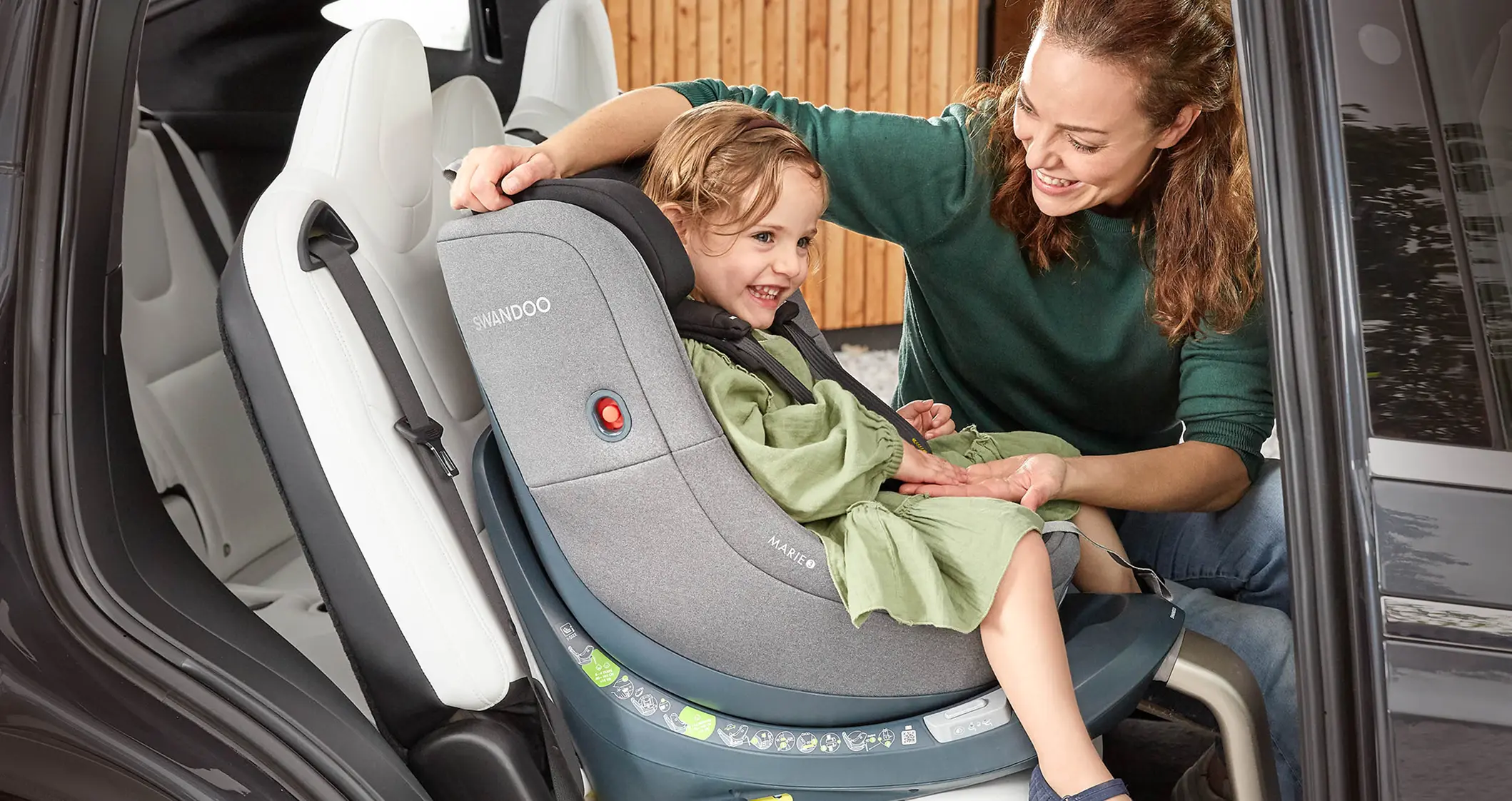
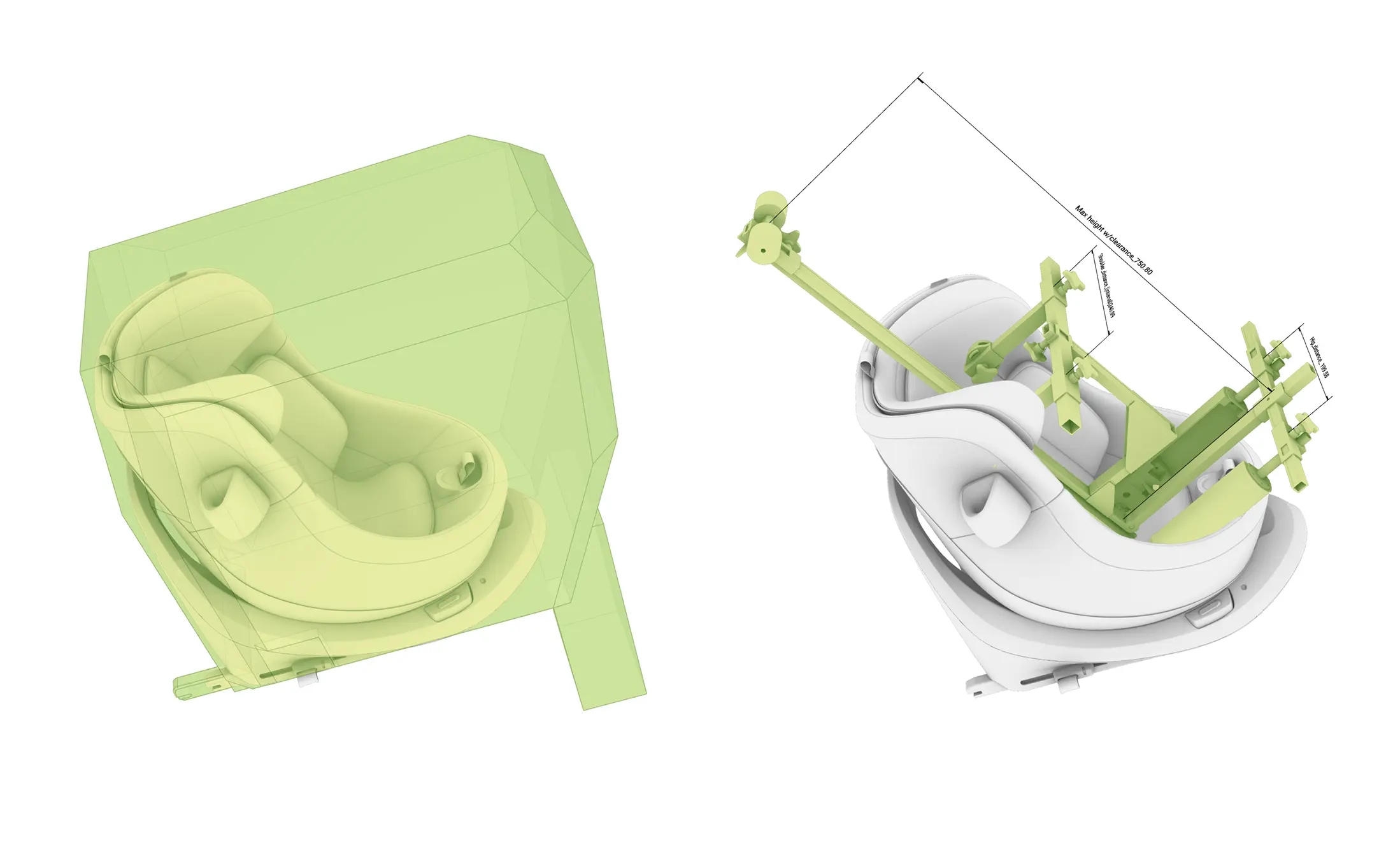
Great car seat design balances rigorous safety standards with real comfort and usability.
Using a 3D parametric rig and virtual simulations, we validated every design decision against physical safety requirements and real child ergonomics, enabling faster decisions and de-risking the product well before physical prototyping began.

Common questions about Fresco's body-first design.
What is body-first design and how does Fresco apply it?
Body-first design is our philosophy brought to practice. At the outset of every project, we explore the physical constraints of the user and how they'll actually interact with the product. The user is in the design process.
Designing and modeling a product on a blank CAD canvas won't tell you if its form, size, or function actually work for the people using it. That only shows up when real human constraints are part of the model from the beginning.
Our product has multiple positions and interactions. What is the fastest way to see how this works for real users?
Before physical prototyping, we leverage our 3D expertise to build virtual simulations that show how your product and user interact through a full range of motion.
This matters for anything that moves, like a robotic arm, a trigger, or a strap, since problems like reach and collisions often only show up in motion, not in a single snapshot. It's the fastest way to catch those issues before a part is built.
Where does your human data come from?
It's a mix of three sources. First, we use public anthropometric data sets. Second, we run our own scanning studies where we recruit users and capture their measurements directly. Third, we license data through partnerships with third-party human data providers. Combining all three gives us a broader, more accurate picture than any single source alone, especially for body types, ethnicities, or specific use cases that are underrepresented in public data.
Do you test with real people, or only simulations?
Both. Digital human models and simulations let us test broadly and early. However, we always validate our findings in user testing sessions with real people and physical models, to confirm and/or challenge our hypothesis, identify user friction points, and get real feedback. Neither replaces the other.
How does body-first design support regulatory or human factors submissions?
Body-first design gives you a head start on human factors data that is often part of a regulatory submission. Because we're gathering and validating human data from the beginning, not adding it at the end, you walk into human factors testing and regulatory review with evidence already built into the design history.