


A process designed to get the best products into the world.
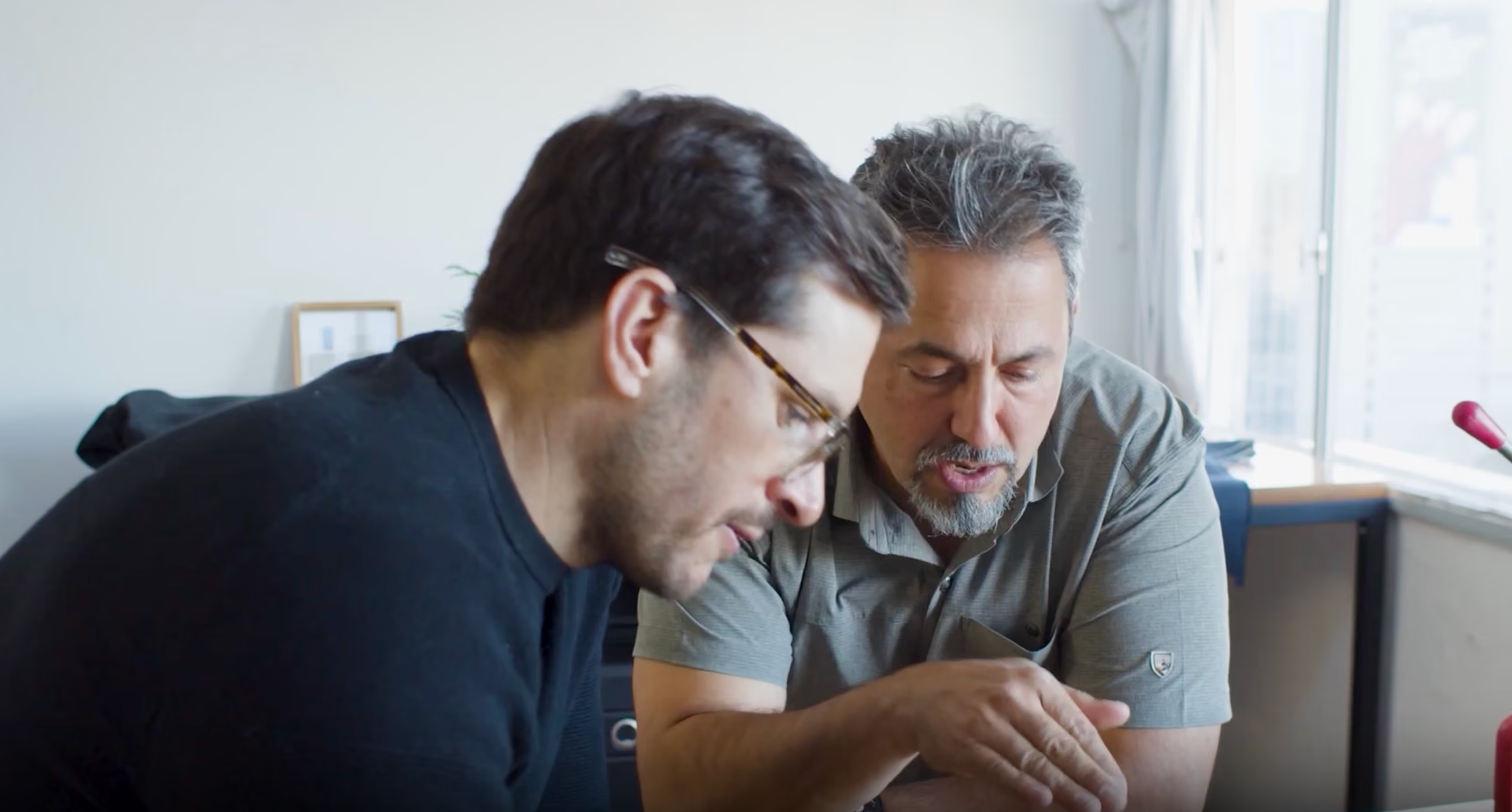
We follow an iterative design process that pushes innovation further, solves for greater usability, reduces uncertainty, and helps everyone make informed decisions, faster. No matter how complex the design challenge.
How we work
Our hands-on, iterative design approach quickly identifies product opportunities and dead ends, replacing assumptions with evidence, and pushing real innovation forward.
Identifying the optimal solution
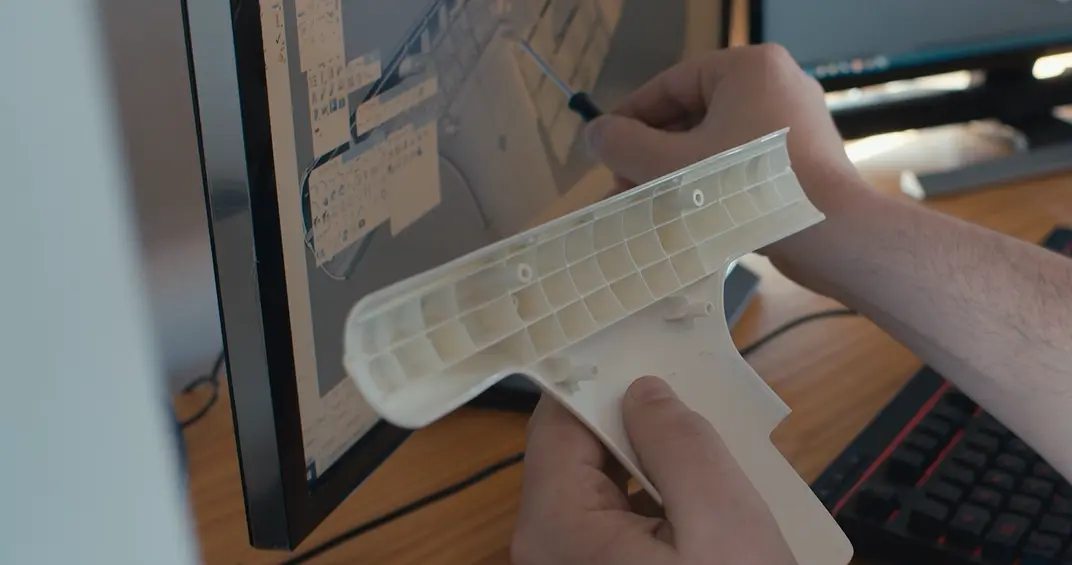
Each product evolves from a spider chart of design priorities. We work through the realities and constraints of everything from product architecture to user interactions, looking for the best single solution.
Many of these priorities naturally compete with one another, so we evaluate different physical manifestations to determine the solution that balances all of them inside the most effective overall product.
Prototyping to learn
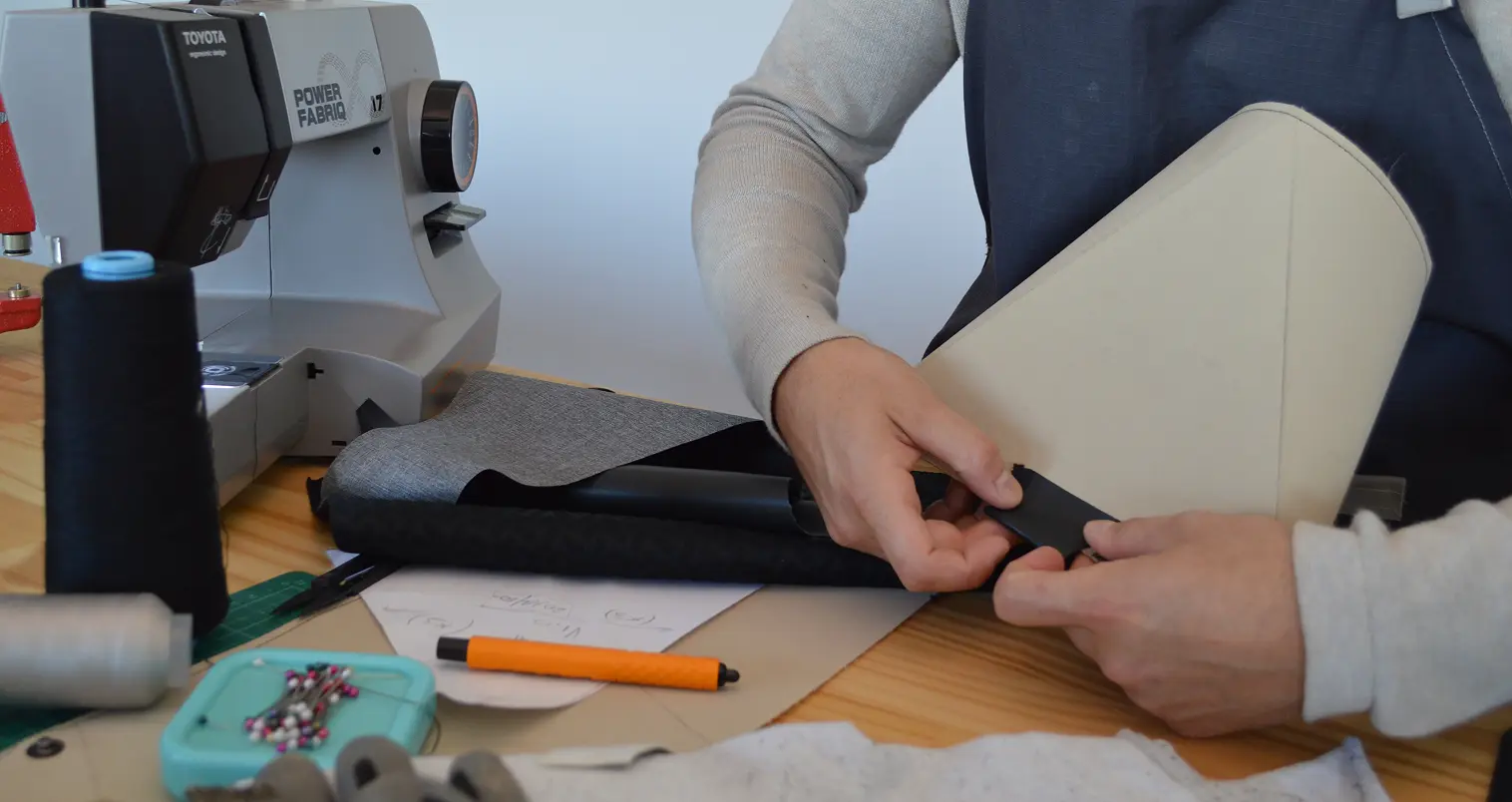
At Fresco, our designers and engineers are builders too, prototyping early and often to find what works and what doesn't.
We prototype in-house, using whatever process fits the question we're trying to answer: low- and high-resolution 3D printing, clay models, foam mock-ups, wood construction, vacuum casting, CNC machining, rapid injection molding, and more.
Catching issues early
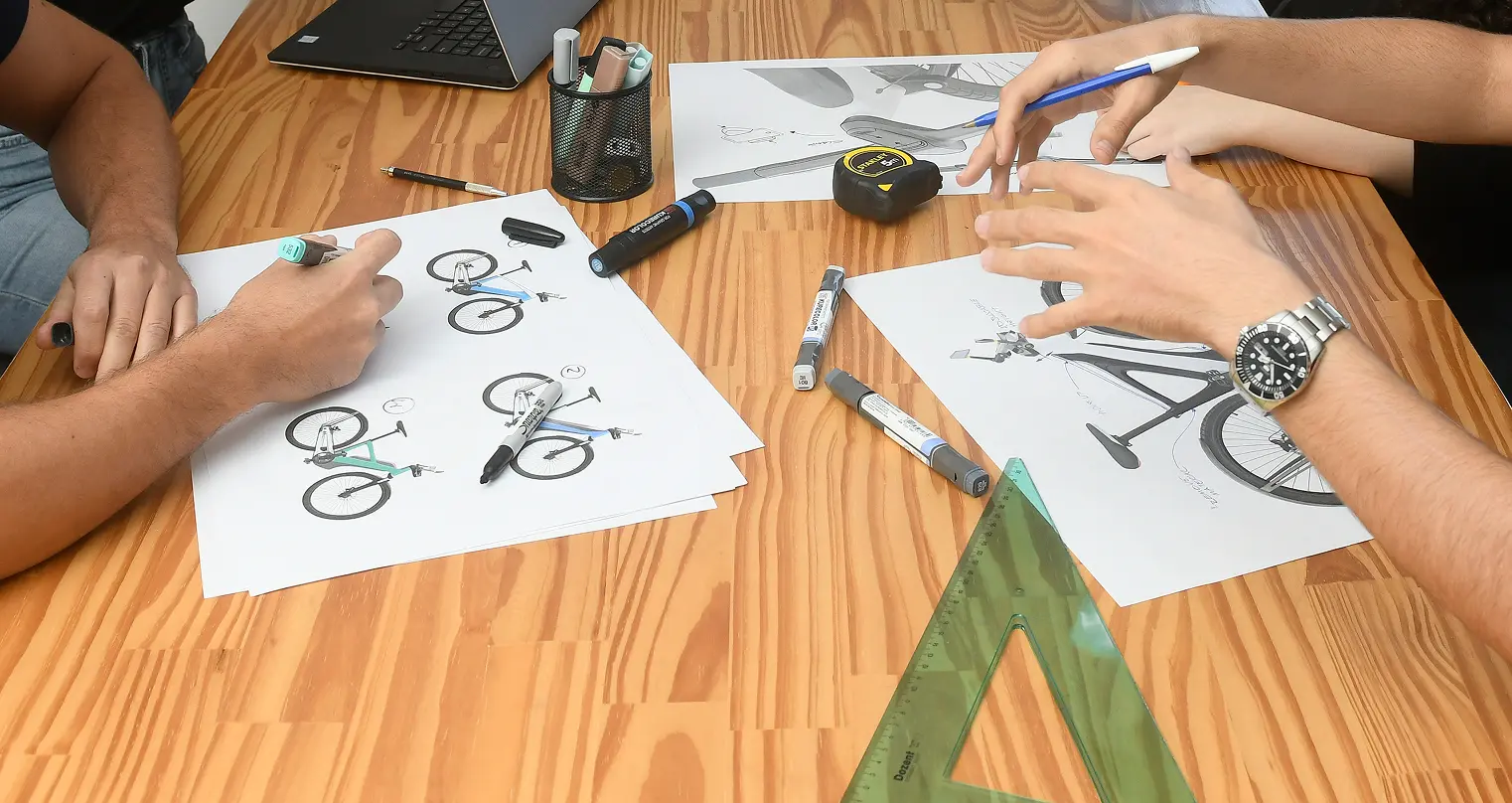
In testing, we move from creator to critic and challenge our assumptions. We evaluate whether what we’ve built delivers on its goals, and look for opportunities to improve.
As concepts become more refined, we let the designs do the talking, inviting clients, users, and stakeholders to interact with the prototypes and share their feedback.
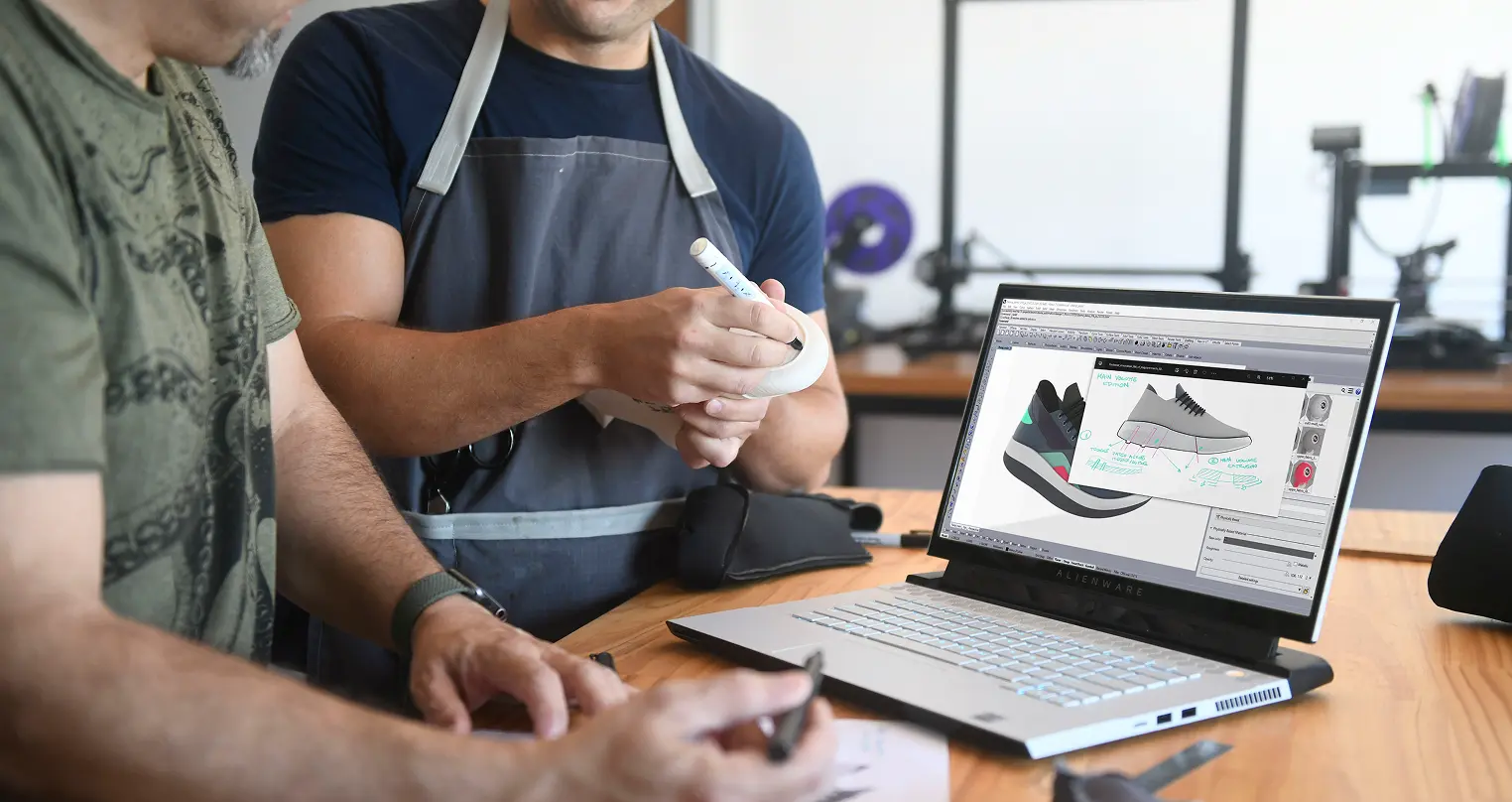
Getting closer with every cycle
What we learn from the design, build, and test cycles drives the next iteration. Each loop gets tighter and more targeted until the design is fully resolved, validated, and ready for the real world.
The final output is a refined product, thoroughly tested, and de-risked for production.
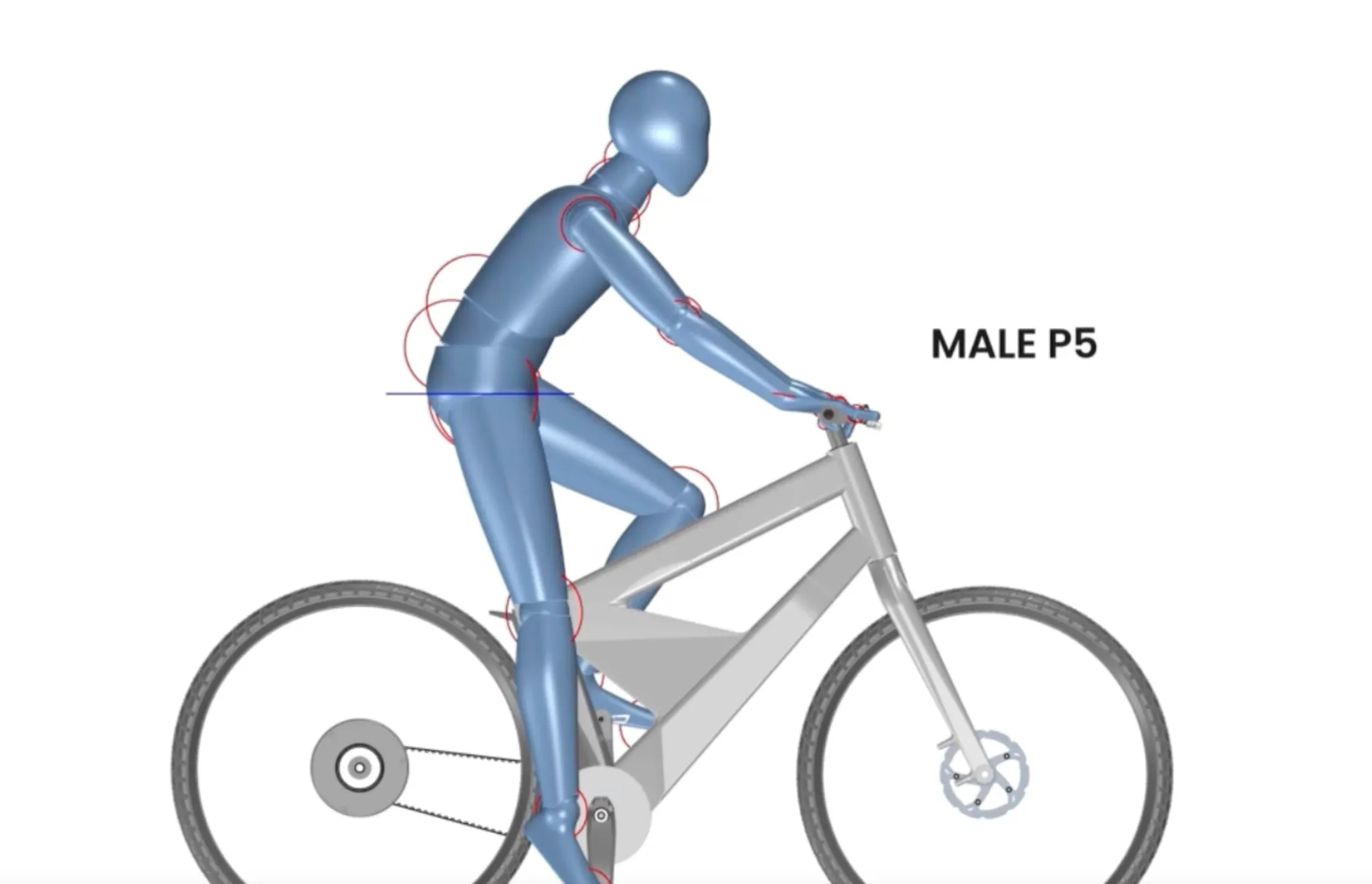
At Fresco, physical products are never designed in a blank canvas of usability. Our pragmatic and technical approach to ergonomic design and human factors means we apply the 3D human data of target users and use cases right when we design the product. This way, we avoid designing first and checking against the human later.

Clear communication powers constant collaboration.
Anyone who works with Fresco immediately gets a feel for how open the process is. You talk directly to the designers and engineers doing the work, and progress updates are shared daily. This allows for more frequent course corrections and helps keep the project on track.
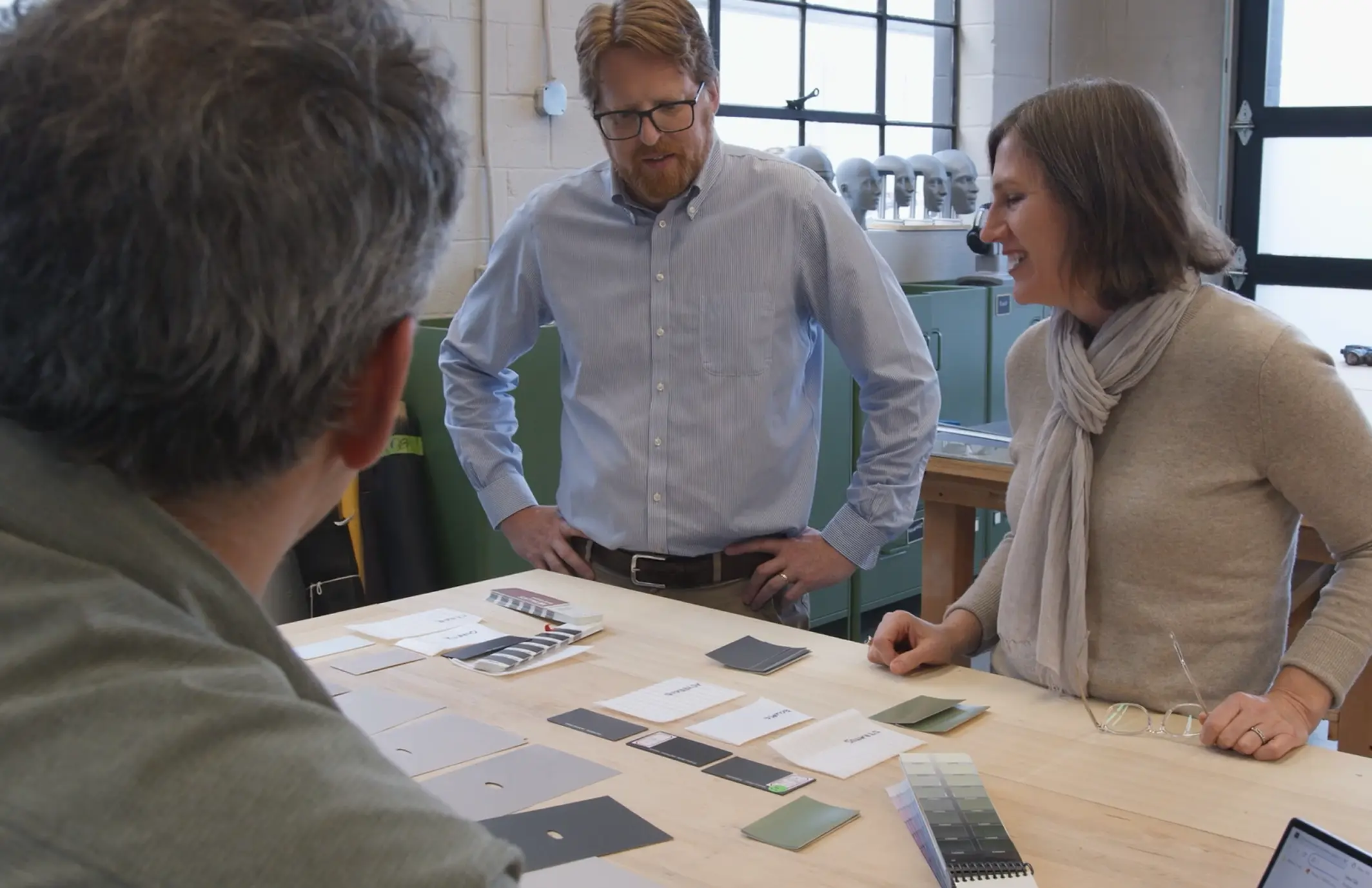
Listen
Our product development consulting approach starts by understanding your goals, your challenges, and what existing work we can build on.
Align
We set up project management tools, communication channels, and transparency structures to keep everyone informed and involved.
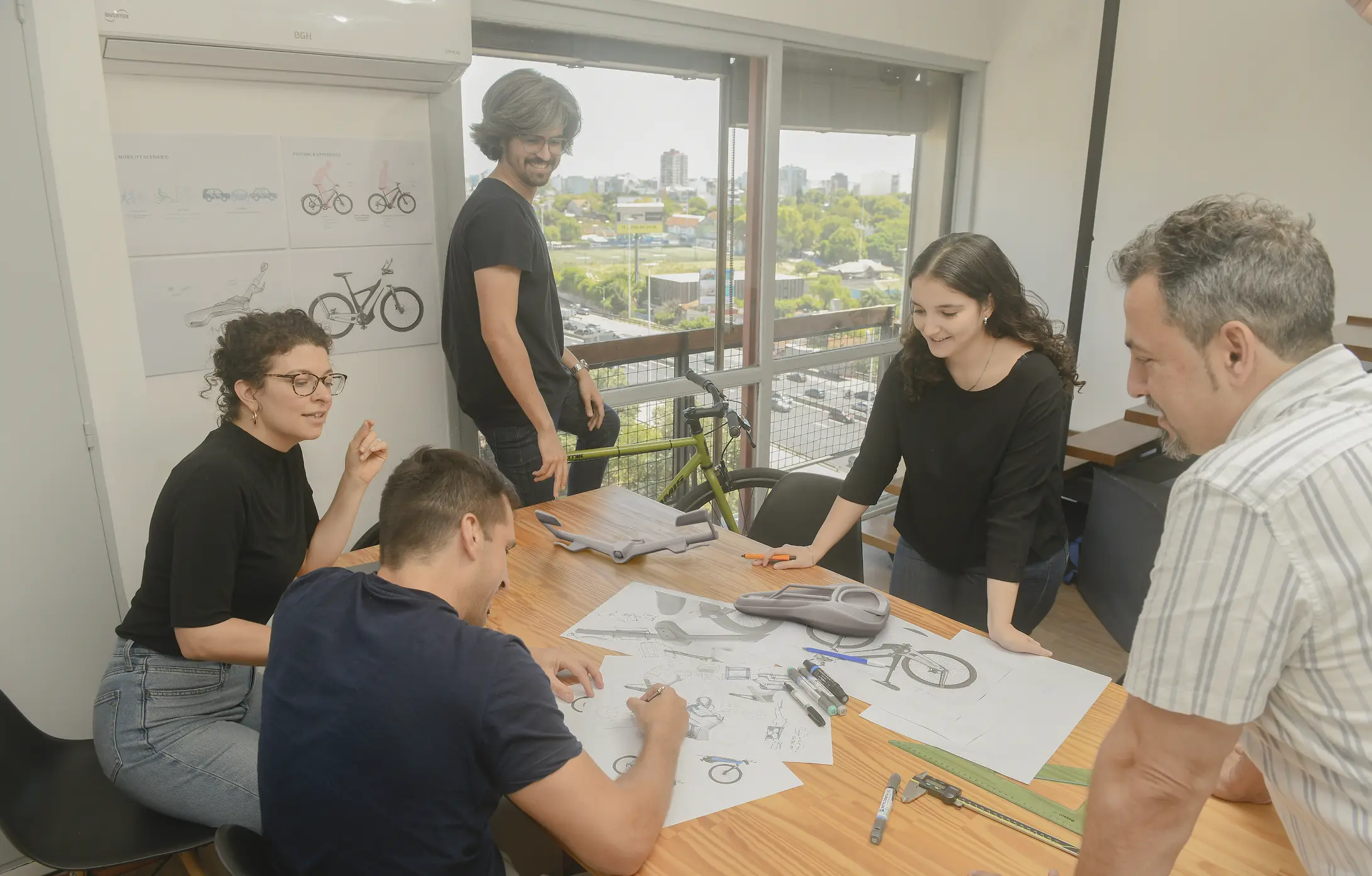
Design
With everything aligned, we move quickly, working as an extension of your team toward a shared outcome.

Common questions about Fresco's process.
How does Fresco create product differentiation?
Give a team the right people, the right constraints, a real process, and mastery of their tools, and creativity has room to work. Those pieces together are what let us find real differentiation, push discovery further than expected, and build products that exceed what users thought was possible.
What does Fresco's design > build > test > repeat process look like in practice?
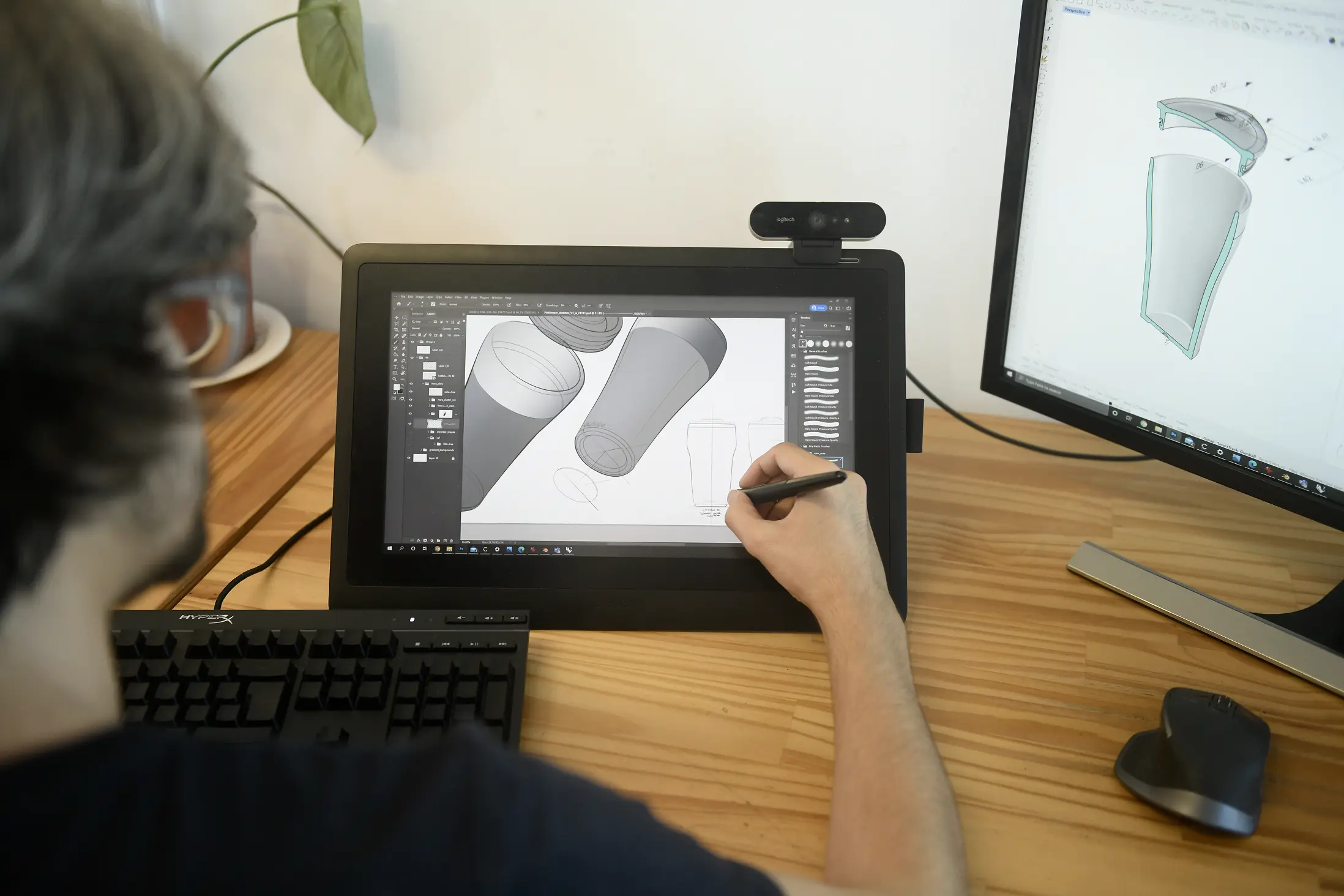
These cycles rapidly transform 2D concepts into 3D models, bringing momentum and clarity to the project. A designer’s first sketch of an idea quickly can become a CAD model, then a physical prototype, sometimes all within hours. We use whatever rapid prototyping method gets us there fastest (clay, cardboard, 3D printing, etc.). That prototype generates feedback for the next iteration, and the cycle repeats.
How do you balance product innovation with technical constraints?
We treat constraints as inputs, not limitations. Our design environment incorporates actual components, sizing, and technology realities, which allows us to innovate in ways that will ultimately be successful.
Who will we work with day to day?
You will work directly with the team of designers and engineers doing the work. Fresco is a flat, transparent organization, so there are no layers of account management between your team and ours.
You’ll see work as it develops, participate in decisions, and have direct access to the people responsible for them.
We’re an early-stage startup developing our first product. How can Fresco help?
We work with many teams developing and launching their first products. Our senior designers and engineers have years of experience taking products through concept, development, and launch.
We’ll share not just what we’re doing, but why, to build the capabilities of your internal team along the way.