


The body is a design input
The physical characteristics of product users are often defined at the beginning of a project: body size and proportion, reach, strength, mobility, ability and other factors that affect how someone will interact with a product. But those characteristics can quickly be reduced to requirements on a page rather than actively shaping the design. Ergonomic considerations may not come into focus until there is a prototype to evaluate with real users. At that point, the body has become something to test against rather than something that helped shape the design.
At Fresco, we love breaking established inefficiencies, and over the years we've developed our own approach to keeping the user at the center of the design process. We call it Body-First Design.
At its core, we bring the size, shape and characteristics of users directly into our 3D design environment, using them to inform product architecture and form as we move between digital design, analysis and physical prototyping. This allows us to design quickly for the full range of intended users, not just an average, with the body actively shaping decisions as the product develops.
There is no standard user
The human body is consistently the most complex variable we solve for.
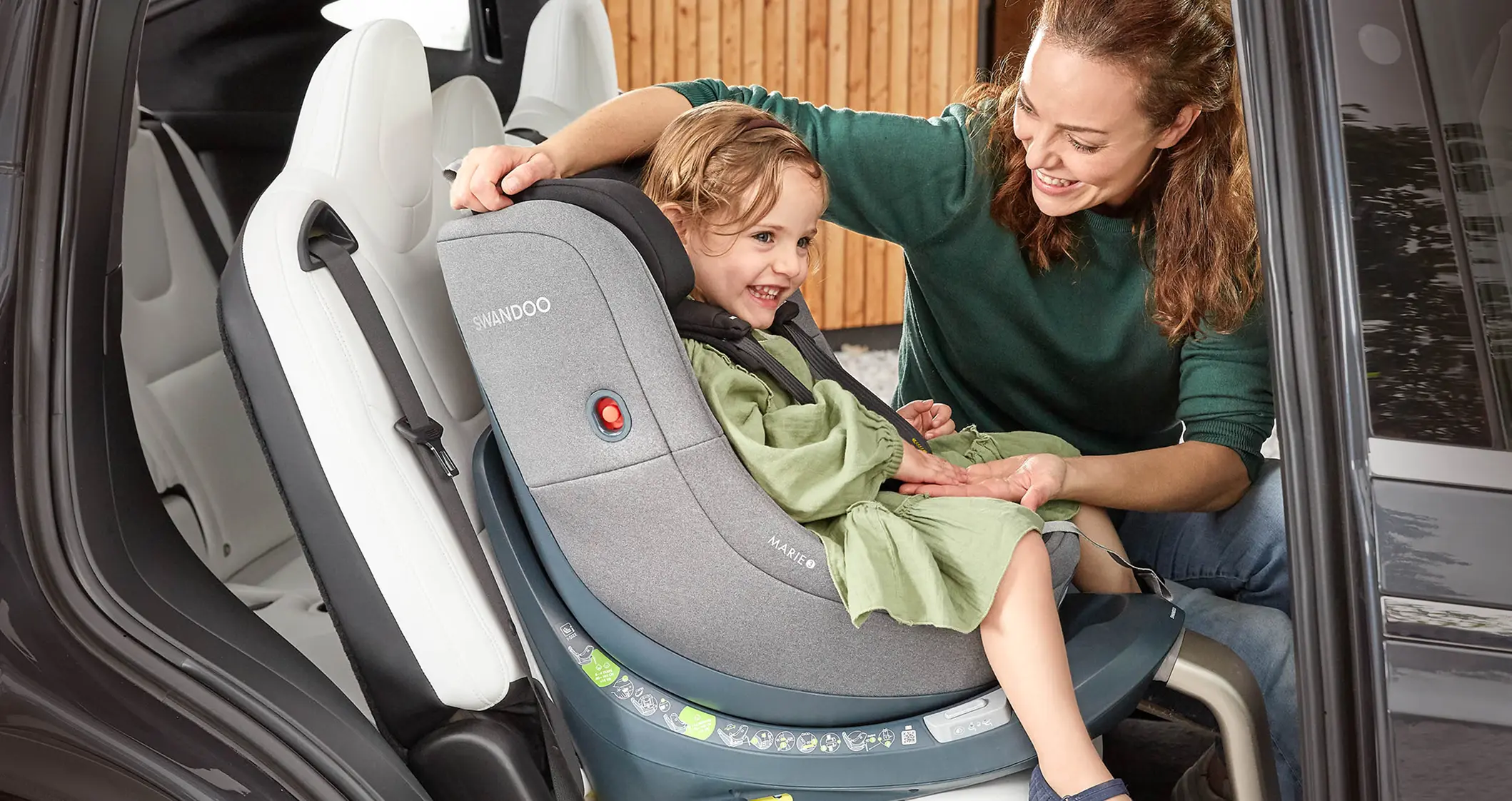
A handheld device sold globally has to work for hands that differ in length, breadth, grip span and strength. Designing for users ranging from a 5th percentile female to a 95th percentile male is a start, but only part of the picture. Real people don't fit neatly into percentile charts, and those charts don't account for differences in strength, mobility or ability.
In critical care, a device that doesn't accommodate a bariatric patient can exclude someone from treatment. In the NICU, a wearable has to fit a premature infant as well as an infant in the 95th percentile, while remaining accessible to caregivers.Body-First Design gives us a clear view of who we are designing for throughout the process. We can design across the range rather than around an average, seeing how the product works for different body sizes, proportions, strengths and abilities. This is inclusive design in practice.
“ We bring the size, shape and characteristics of users directly into our 3D design environment, using them to inform product architecture and form as we move between digital design, analysis and physical prototyping.
Bringing the body into the design space
Most human body data lives in anthropometric tables, published standards, survey databases and specialist software. Much of it sits a long way from where decisions about product form and architecture get made. And a table of dimensions doesn't give us the three-dimensional form and volume we need to make those design decisions.
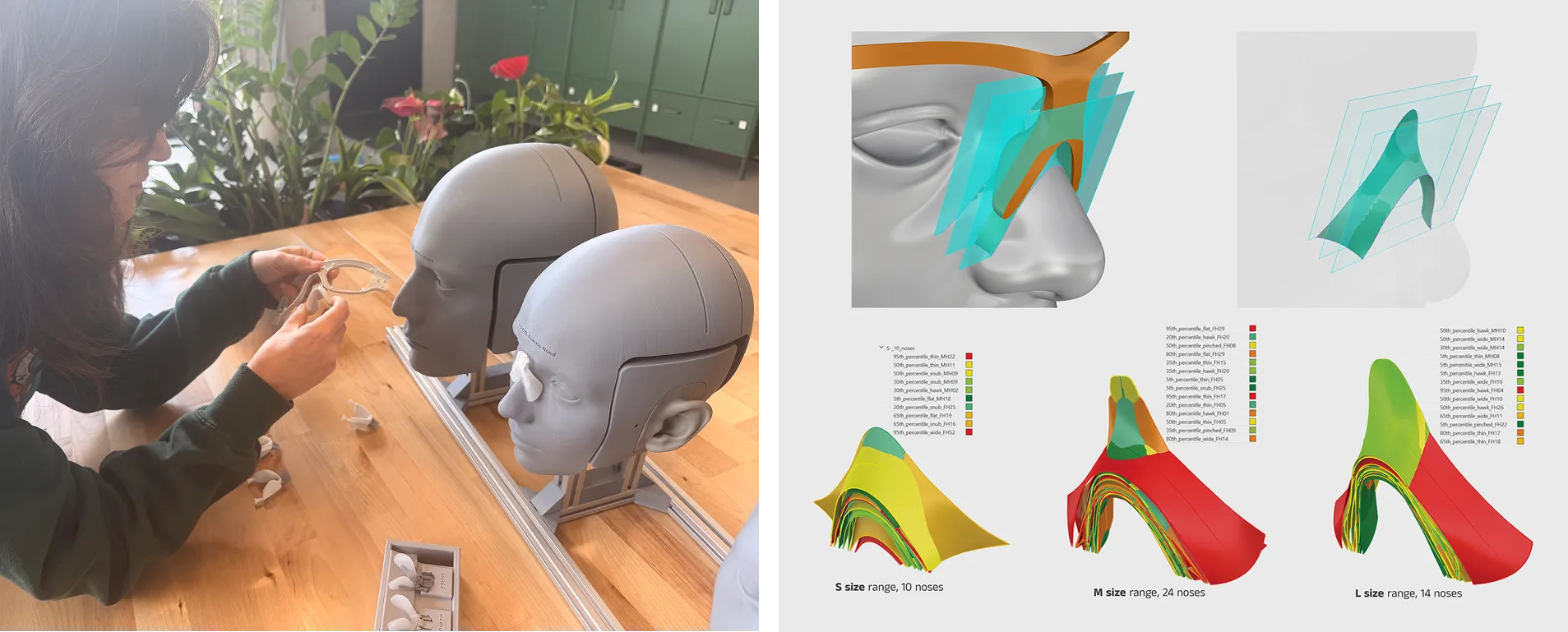
At Fresco, we wanted that human data in front of us while we were designing. Using global anthropometric data, surveys and our own 3D scanning work, we've developed statistical shape models that capture differences in body dimensions and how body shape varies as a whole.
We've used those models to build a library of parametric, posable digital humans that live inside our design environment. When the body is in the design space, we can design for the intended users from the beginning, seeing who a design accommodates, where it falls short and what needs to change while the architecture is still open.
“Keeping the body present throughout the design process means the intended users are influencing the product while there is still freedom to shape it.
The essential role of iterative physical prototyping
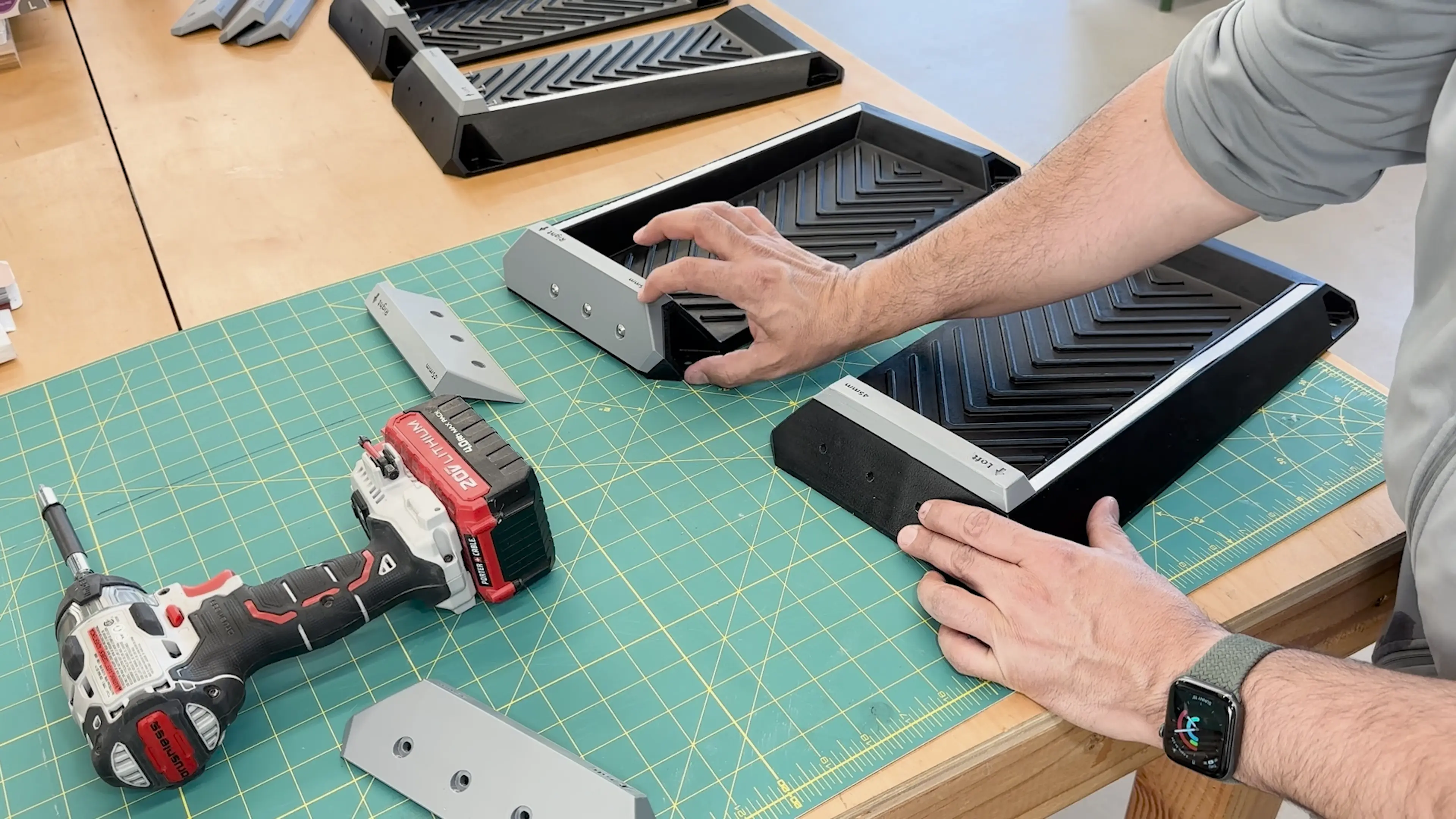
Fit, grip, reach, balance, pressure and comfort all need to be experienced physically as the design evolves. In parallel with our digital design work, we build physical prototypes, testing rigs, fixtures and open-shell models, recreating the relevant body geometry, forces and interactions so we can understand what happens when a person actually uses the product. What we learn feeds directly back into the design.
Learn more about our Body First Design approach here.
What changes when you design body first
Keeping the body present throughout the design process means the intended users are influencing the product while there is still freedom to shape it. By the time a product reaches user testing, it has already been designed around the people who need to use it.
Testing will always uncover new things, but fundamental issues with fit, reach, comfort or accessibility are less likely to surface after the architecture has been established and changes have become difficult and expensive. The result is a better product, developed with fewer late surprises and design decisions grounded in a much deeper understanding of its users.